Cancel Culture Knows No Nuances

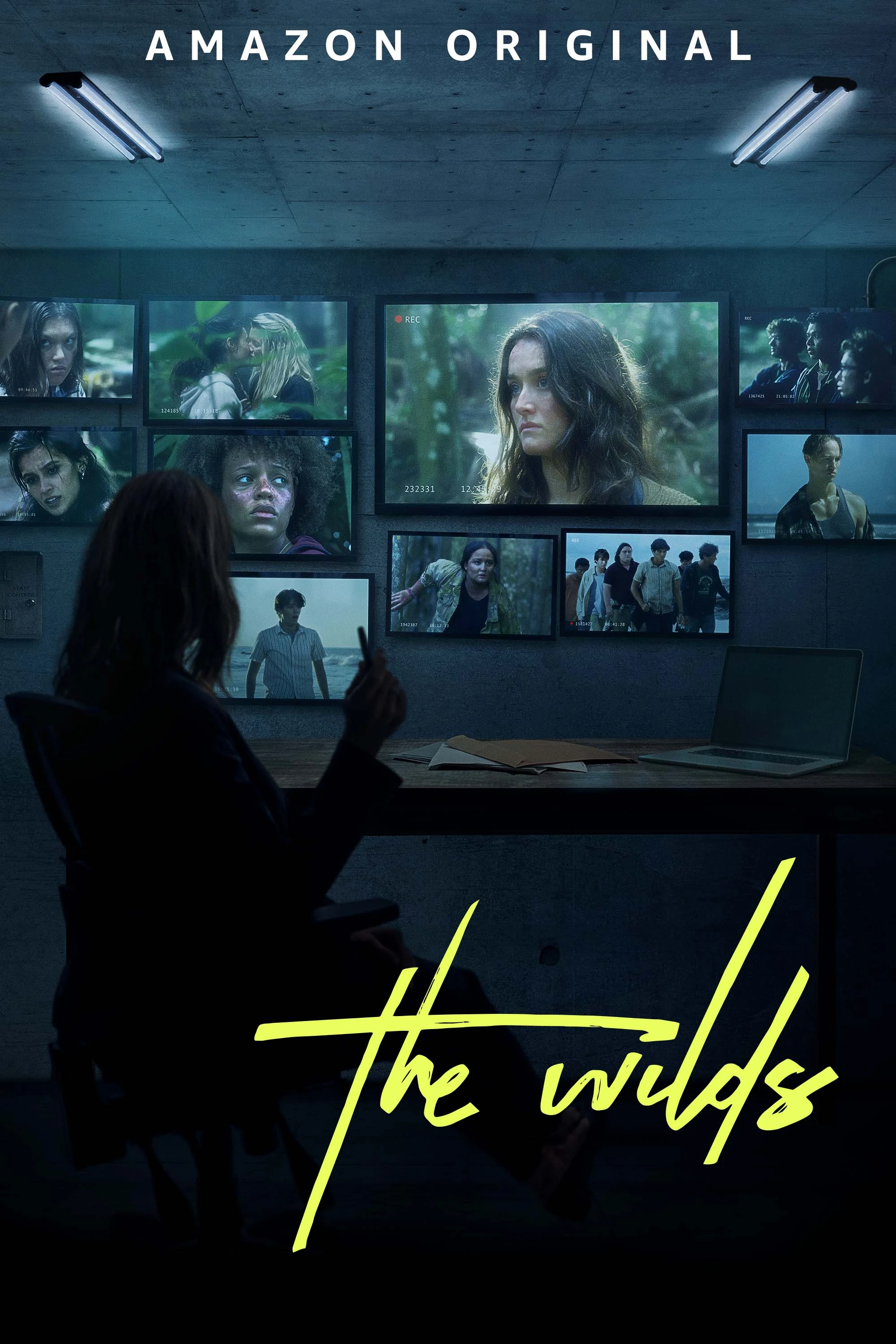
Figure 1. The Wilds Show Cover

The Wilds, an Amazon Prime, 2 season show, created by Sarah Streicher in 2020 follows a group of teens stranded on an island, all of whom have crossed paths in one way or another­ before the stranding–two brothers, two best friends, and 2 sets of students who went to school together. To those who have watched The Wilds, we all know season 2 did not live up to the hype of season 1. However, I think there are still meaningful stories told and dynamics to analyze in the second season. I am choosing to focus on the argument between two main characters, Ivan and Kirin, during their character-focused episode. While the two went to high school together, they ran in entirely different social circles. Kirin was the stereotypical popular, egotistical jock, and Ivan was a proud, witty, gay teen. I believe the selected scene, and their dynamic as a whole, is a commentary on the totality of “cancel culture”, and its modern-day lack of situational consideration. I cannot begin to imagine the struggles and intersectionality of living life as a young, gay, black man, but I will be discussing my understanding of the message as portrayed.
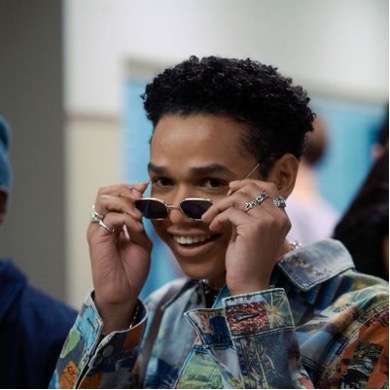
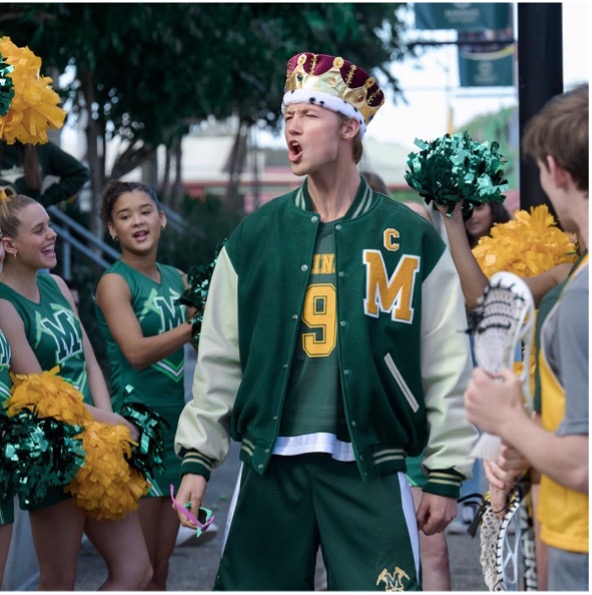
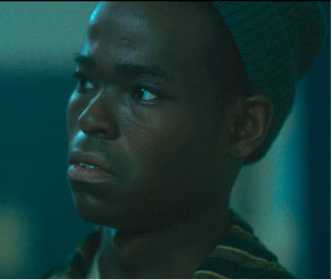
Figure 2. The Wilds Season 2, screenshots from episode 6.
Kirin pictured left; Ivan pictured right.

The conflict begins with Ivan scrolling through the Instagram of Kirin’s lacrosse coach. While deep diving, he uncovers an old photo of the coach doing blackface for a Halloween costume. Ivan exposes this image and gets the coach fired. Ivan is riding the high of being deemed a “hero” and is clearly enjoying the attention he is receiving from exposing the coach. A brief interruption to this buzz, was catching Kirin hugging his coach goodbye and crying, causing Ivan to call him a “sympathizer”.

We don’t know the full story behind Kirin’s relationship with his coach until Ivan and his love interest, Luc, stumble on Kirin sitting alone in the locker room, drinking heavily. Ivan smiles down on him, and begins asking what’s going on, to which Kirin angrily responds that Ivan acts like a know-it-all, who doesn’t know anything about real life. He divulges into how the coach was a father to him, a good man with a wife and kids, someone who took him in when he needed family. Ivan pushes that he protected himself and the school from a bigot. He slowly gets closer to Kirin, with no intentions of defusing the situation but rather aggravating it.

At no point does Kirin actually try to justify the coach’s racist actions, something I think slipped by Ivan, because to him it was an ‘all or nothing’ situation. As Kirin gets increasingly angry, Ivan excitedly pulls out his phone, stating he’s “been waiting for this. The white rage boiling point”. Kirin punches a locker, denying the “white rage” claim. Ivan continually taunts, “you wish that locker had been my face, don’t you?”, with a gleeful expression. The progression of the dialogue in the scene is upsetting and contains the use of a homophobic slur, so to those looking to watch, take this as a trigger warning. Ivan does not stop provoking Kirin and is uncomfortably exhilarated by his increasing anger. I think the following images speak for themselves, as Kirin is in a drunken, emotionally unstable state, Ivan appears gleeful, and Luc looks disturbed by Ivan’s comments.
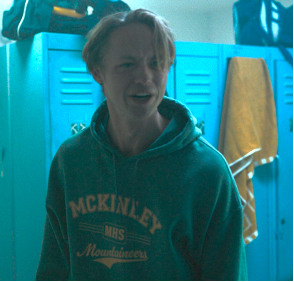
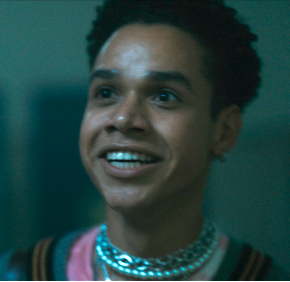
Figure 3. The Wilds Season 2, screenshots from episode 6. From left to right; Kirin, Ivan, Luc.

Kirin screams at Ivan to shut up and get out, refusing to say the things Ivan is probing him to. The scene comes to a climax after Ivan does not cease tormenting Kirin. He insists on calling him homophobic slurs, to which Kirin finally does. Ivan has all of this on video, which gets Kirin expelled.


This is a heavy scene, leaving all 3 characters hurt and disturbed by what took place. In my analysis, I am in no way trying to justify any acts of racism or homophobia portrayed in this episode. Kirin is not in the right; being drunk, hurt, or having any other extenuating circumstance does not warrant bigotry.

However, I do not believe viewers were supposed to interpret Ivan as being in the right either. The look in Ivan’s eyes as he taunts Kirin is hungry and uncomfortable, he wasn’t an underdog hero who prevented further harm but rather incited it. Kirin and his coach deserved consequences, and they received such, but it is revealed to the viewers that Ivan did too. Luc, so upset by the situation, breaks it off with him. He leaves Ivan with the message “Be tender” on a dollar bill he owed him.
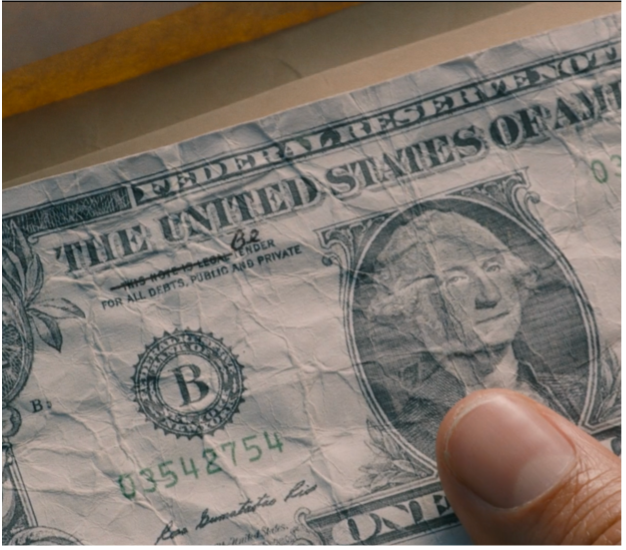
Figure 4. The Wilds Season 2, screenshot from episode 6. “Be tender”.

I believe this goodbye sentiment supports the message that Ivan was overtly cruel, likely out of fear. As a young, gay, black man, much of the world is out to get him. His fear is understandable, trying to protect himself offensively, rather than leave himself vulnerable to attack. His fear and defensiveness causes him to not just encounter enemies but to make them out of strangers. Kirin had no right to say slurs, but he truly did not seem to do it out of a real hatred for gay or black people–it was borderline coercion. In reality, Kirin was hurting and Ivan was too. To Kirin, Ivan was an unsympathetic attention seeker, and to Ivan, Kirin was a sympathizer and bigot. I believe neither of them was correct, but this episode showed the two imperfect characters at incredibly low moments in their lives.

This is where I believe the show can be extended to a larger metaphor about the world. “Cancel culture”, while at times truly does give harmful people the consequences they deserve, has also become bloodthirsty. There is no black and white in the way society “cancels” people nowadays. Someone is good, until they inevitably mess up, and then they are irredeemably bad. The general media shows no mercy, nor the ability to portray someone as simply human, i.e., flawed.

Ivan felt that he was protecting his community by canceling the enemy he saw in Kirin. What he didn’t see was the nuances of the situation. Kirin didn’t say his coach shouldn’t be punished for blackface, and was, not so eloquently, expressing the massive grief he felt at losing another father figure. It is possible for his coach to have been a loving person to Kirin, while also being incredibly ignorant and insensitive to the impact of his actions. It is important to understand that situations are not so cut and dry. Someone could get canceled over a viral video that makes them out to be a horrible person, when in reality, we caught a glimpse into one of the worst days of someone’s life. I believe most of us could only hope to be shown grace, were we to mess up during one of our lowest moments.

Through this character pairing of Ivan and Kirin, The Wilds, portrays how quickly fear can devolve into violence. Kirin could not understand the root of Ivan’s defensive demeanor– someone who will be faced with hate and prejudice his whole life. Similarly, Ivan could not see where Kirin was coming from due to his preconceived notions about him. While this depiction was a hard watch, and deeply sad from multiple angles, the creators very masterfully challenged our usual assumptions about a protagonist and antagonist. You’d think with a white, straight jock versus a black, queer character, it’s not difficult to assume who is the hero and who is the villain of the scene. However, the show writers didn’t allow for such an easy interpretation. It is an uncomfortable position for a viewer to not know who is right or wrong.

Nowadays, there is a level of overcompensation when trying to be politically correct, in order to avoid the mob mentality of “cancel culture”. That’s not to say society didn’t need to advance its sensitivity and empathy towards others, but one must think critically and look for a larger picture before pointing a finger and slapping a label on someone. Humans will make mistakes, especially young ones, and deeming them an abhorrent person dismisses a chance to better themselves and learn. Ivan and Kirin eventually make amends, and show how capable of growth and compassion they are. Rather than crucify all who make mistakes, people should be allowed an opportunity to become a more understanding, educated, and loving person. 

Dismantling Jules Vaughn

The show Euphoria, starring multiple famous actors like Hunter Schafer and Zendaya Coleman, shows a raw demonstration of the struggles teenagers go through daily. Euphoria is about a group of teenagers from California who are in high school. They experience a multitude of issues. Some important characters are Rue, Jules, Nate, Cassie, and Maddy. The group of friends is divided and united by their trauma, experiences, and conflicts with one another. The audience is shown clips of couples involved in toxic relationships and teenagers struggling with drug addiction. In this blog, I will discuss how this show illustrates the assumptions about gender, race, and sexuality of the main character, Jules Vaughn. 

To begin, Jules is introduced to the show as a transgender woman struggling with her identity for a long time. For instance, when she was 11 years old, her mother sent her to a psychiatric hospital because Jules had a history of self-harm and depression. She suffered from gender dysphoria – someone fighting against their biological and gender identity because they believe it is not the same. In Season 1, Episode 2, Jules talks to her therapist about a Supprelin implant embedded in her body that prevents her voice from dropping and stops her male genitals from developing. The thought of puberty scared her during her childhood because she felt out of place in her body from a young age. Although the journey of a transgender youth experiences highs and lows, Jules’s father serves as a positive example of a support system for LGBTQ+ youth. Jules has a father-daughter relationship rather than a mother-daughter relationship. This is unusual because typically, mothers are known for being more nurturing and accepting than fathers; however, in this case, the roles are versed and Jules’s father is the one who stays with Jules during her transition.

Sexuality also plays an important role in how Jules is presented to us. For example, we can categorize her sexual orientation as bisexual because she has a relationship with Rue Bennet, a female, and romantic feelings for Nate Jacobs, a male. In addition, she has sexual encounters with Rue in addition to Nate’s father. However, not everyone is accepting of Jules’s gender identity. Jules and Nate shared explicit text messages and images through a dating app. Nate catfishes her and creates a persona labeled ‘Tyler.’ He struggles with internalized homophobia, which causes him to lash out against Jules and blackmail her when he acquires some of her nude pictures. Also, internalized homophobia implies that Nate does not consider Jules a female but a male because she has a penis. He feels homosexual because he is attracted to someone with male genitalia. This is discovered when Nate’s girlfriend, Maddy, finds pictures of male genitalia on Nate’s phone. Nate blackmails Jules because he believed that she was going to make a report to the police about his father sleeping with Jules, a minor, and recording a sex tape, which would be considered child pornography. Other than this, every other character in Euphoria respects Jules’s pronouns and identity. However, in Season 1, Episode 8, Rue approaches Nate outside during a school dance and threatens him about ruining his life and his father’s if he does not leave Jules alone. Rue further expresses her anger towards Nate by saying that “I have no problem walking into any police station and telling them that Nat Jacob’s daddy likes to f*ck little kids.” This scene demonstrates the lengths that Rue would go to stand up for those who disrespect her friend Jules. You can see this in action in the YouTube video attached below. Warning: Inappropriate language is used. 

Lastly, Jules’s race is white, meaning she does not experience the same problems as a black transgender person in the LGBTQ+ Community. Euphoria follows the default of white representation in media rather than illustrating a diverse trans woman. Also, statistics have shown that across the United States, Latinx and Black trans women encounter more violence, discrimination, and hate crimes towards their identities. For example, in San Francisco, 47.9% of Black and 49.0% of Latina trans women experience hate crimes. Because the creators of Euphoria made Jules a white character, they failed to demonstrate the hardships experienced by other transgender POCs (Persons of Color). Another important aspect is that she gets involved in an interracial relationship with Rue, which shows us that Jules does not have a preference when dating someone. Jules’s interracial relationship with Rue illustrates that her experience of being marginalized in society allows her to be more empathetic toward other oppressed populations.

Euphoria portrays an accurate picture of teenagers who are transgender. Although Jules is a 17-year-old trans woman rather than an older trans woman who has encountered more obstacles, Euphoria mimics these real-life situations. A teenager struggles through a period where puberty and identities are questioned; however, adults are more secure about themselves, explaining the chaotic nature of Jules’s experiences. She has not only combated against gender dysphoria but her future and personal identity. Unlike other shows and movies, Euphoria shows us an accurate representation of the difficulties adolescents face throughout their lives that many prefer to conceal, although it can be inaccurate because the show is not based on true stories. It can be hard at times to digest the scenes presented by the actors, but it helps us better understand what it is like to experience these situations and develop sympathy. Although life is complex and complicated, it is essential to grow awareness about how people who are considered to be “different” in society face societal prejudice and learn to overcome these obstacles. 

Jules Vaughn

Sources: https://bmcpublichealth.biomedcentral.com/articles/10.1186/s12889-021-11107-x

How the Clueless Creators of “Clueless” Contributed to a Harmful Culture Around Gay Men

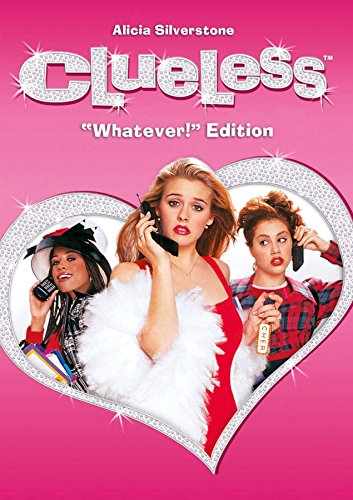
Amazon.com: Clueless : Alicia Silverstone, Stacey Dash, Brittany Murphy,  Paul Rudd, Donald Adeosun Faison, Dan Hedaya, Justin Walker, Donald Faison,  Elisa Donovan, Breckin Meyer, Jeremy Sisto, Aida Linares, Wallace Shawn,  Twink Caplan,

Arguably, one of the most iconic movies ever created is “Clueless.” This movie features everything you could want and more from a classic 90’s high school movie. The lead, Cher, is the “it girl” at Bronson Alcott High, and she seems to have her life fully figured out. With her side-kick Dionne, she takes on some typical challenges accustomed to the privileged teenage life, like failing her driver’s test, going to parties, and meeting a cute boy she might have a crush on. His name is Christian, and, despite Cher’s keen eye, she fails to realize that he is gay. 

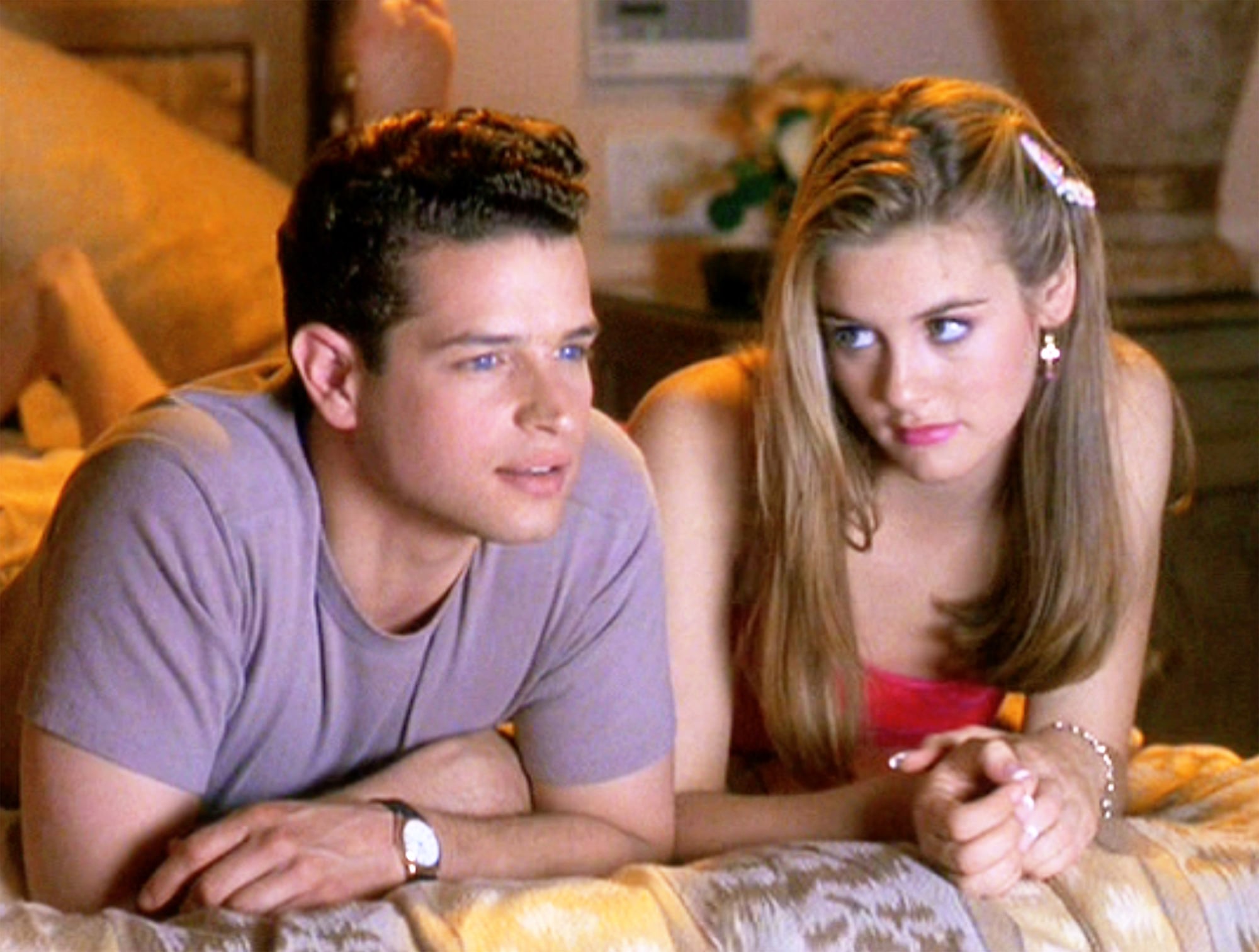
Cher tries every play in the book to try and seduce Chrisitan, she drops her pen to bait him into picking it up for her, invites him out to parties, and brings him to her house when her father is away. She puts an entire roll of cookie dough in the oven, in the hopes that the warm, sweet smell in combination with her domestic abilities will be enough to woo him. She ends up burning the cookies, and they move on to tour the house. As they walk through the backyard, Chrisitan is telling Cher what a beautiful art collection her father has and comments on all the statues talking about the various artists and meanings behind the works. This is a stereotype associated with gay men, a love and appreciation for art. This is only one of many different stereotypes the creators of “Clueless,” put on Christian, however.

Clueless': Cher's Love Interest, Christian, Was Almost Played by This  'Twilight' Star

All the characters from the movie continuously point out the effeminate qualities Christian has. His love for art and fashion comes to mind. He is also the most well-dressed and groomed man on the show. All these things are associated with and are stereotypical qualities of gay men. After the not-so-romantic night between Cher and Christian comes to an end, the movie flashes forward to Cher in the car with Dionne and her boyfriend, Murray. Murray is trying to teach Dionne how to drive while the two of them listen and try to counsel Cher about her failed date. After she says she was ready to, “go all the way,” and have sex with Christian, Murray laughs out loud and says, “are you bitches blind or something? Your man, Chrisitan, is a cake boy.” The sexist language he uses here and throughout the film is enough for a whole other essay, but he uses an old derogatory term, “cake boy,” meant to put down and make fun of effeminate men. He then goes on to list more stereotypically gay things that Christian does, like enjoying disco music and reading Oscar Wild. He then finishes his line by saying “he’s a friend of Dorthy if you know what I’m saying.” After all of that, Cher finally realizes that Christian is gay.

While the creators of the movie did a good job at making Chrisitan a likable character, they abused gay stereotypes and the “gay aesthetic” of the time to perpetuate a misguided view of what being gay means. The Hollywood interpretation of gay men specifically, was one of two character archetypes. Either a creepy, predatory character that you are meant to hate and fear, or an effeminate one that is clean, pristine, and loves to shop. Chrisitan is clearly the latter. 

Having this “gay aesthetic” be so wildly loved, admired, and used in media is damaging to gay youth. We’re told this is what it means to be gay. You have to dress a certain way, act a certain way, and like specific things to be “gay.” This puts pressure on young gay men especially to behave like this idolized character of fashion, art, and shopping. If you don’t look put together you aren’t good enough to be gay. If you don’t love shopping with your girlfriends then you’re either in the closet or some kind of outcast. These characters often become the “gay best friend” of a powerful female character as well. Effeminate gay men were never portrayed as powerful or independent, they always had a popular girl to take care of them and protect them from the rampant homophobia and toxic masculinity of high school. This is damaging to watch as a young gay child. You are told that to fit in and be accepted, you have to be feminine and hide behind other people for safety. When you stand up for yourself a bully will knock you down, and if you don’t act “gay enough,” neither the gay nor straight people will want to include you. Yet, this feminine gay aesthetic was one of the only positive representations of gayness from before the 2010s. Despite how damaging it is to be told you must be and act a certain way, it was the only way to survive.

Gayness is more than being effeminate and liking clothes and Britney Spears, however. As more modern media is starting to realize, gayness looks different for everybody and there isn’t one box of mannerisms and inflections that you can sort us into. Gay people each have their own personalities, behaviors, and interests. Being gay is just one part of us, one identity we have, nothing more. It can mean to you whatever you want it to. That’s why having this kind of representation (as in characters like Christian) is damaging to the gay community. Although Christian is seen as this perfect, sexy man better than all the other men in Bronson Alcott High, his character perpetuates a harmful culture around being gay.

written for Autostraddle | autostraddle.com

work cited:

Heckerling, A. (1995). “Clueless” movie poster. Amazon. Paramount Pictures. Retrieved October 1, 2021, from https://www.amazon.com/Clueless-Alicia-Silverstone/dp/B01M9B4FDS.

Heckerling, A. (2021). Cher and Christian watching a movie. cheatsheet. Paramount Pictures. Retrieved October 1, 2021, from https://www.cheatsheet.com/entertainment/clueless-christian-was-almost-played-by-this-twilight-star.html/.