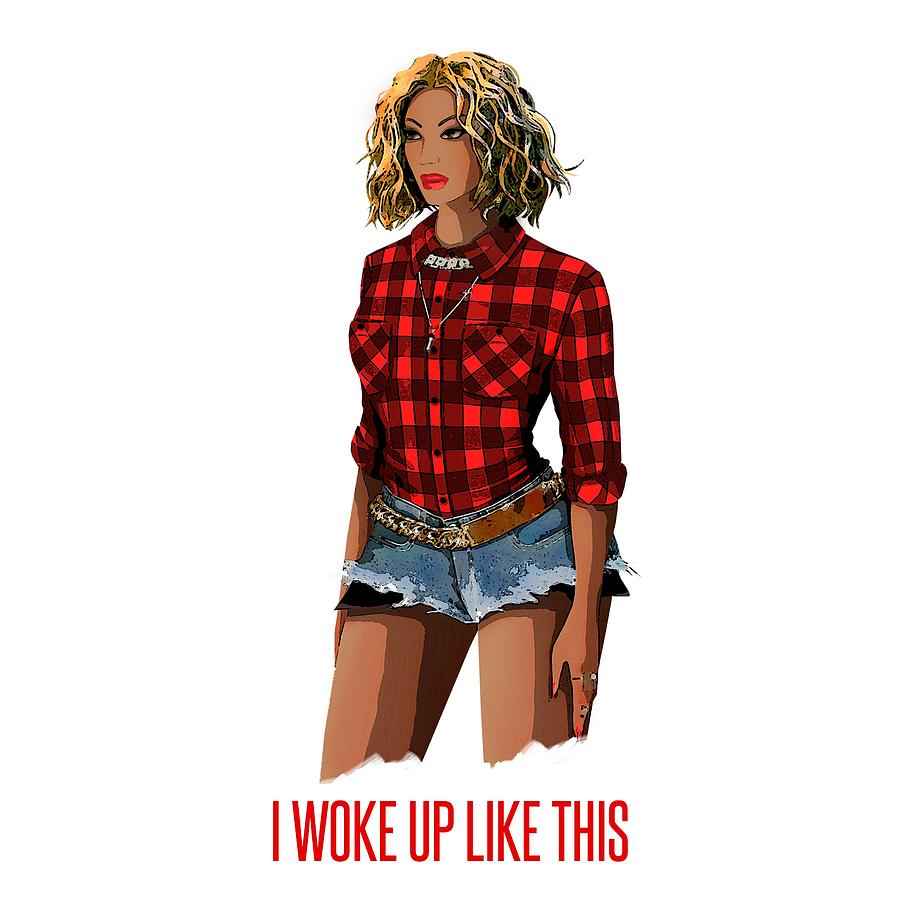
American singer Beyoncé has long been a leading icon in the feminist movement. She is often found uplifting women in her emphasis of inner beauty and self-worth through the messages of her songs. The song ‘Flawless’ featuring Nigerian writer Chimamanda Ngozi Adichie is no different –perhaps even more direct– as Beyoncé sings about female independence and autonomy in a society that is historically patriarchal.
The first verse of the song is a response to the criticism Beyoncé has received from other artists about her being the leader of female artists, as well as the discourse about her hiatus from music in 2010:
I know when you were little girls
You dreamt of being in my world
Don’t forget it, don’t forget it
Respect that, bow down, bitches
I took some time to live my life
But don’t think I’m just his little wife
Don’t get it twisted, get it twisted
This my shit, bow down, bitches
Beyoncé pushes back against the social norm that women rely on their husband for happiness. Her opposition is similar to Betty Friedan’s stance on second-wave feminism in her book “The Feminist Mystique”. Friedan emphasized the regression of the feminist movement after World War II in which women were convinced that their ultimate goal was to find a husband and start a family. Friedan simply argues that the notion of the ‘perfect housewife’ should be challenged, stating “the time is at hand when the voices of the feminist mystique can no longer drown out the inner voice that is driving women on to become complete” (Friedan 282). Beyoncé’s lyrics support this as she claims her success and fame independent of her hip-hop star husband.
The critic of marriage as a social norm continues in the bridge, which is a snippet of Chimamanda Ngozi Adichie’s TedTalk “We Should All Be Feminist” as she embarks on the consequences of normalizing the importance of marriage:
Because I am female
I am expected to aspire to marriage
I am expected to make my life choices
Always keeping in mind that
Marriage is the most important
Now marriage can be a source of
Joy and love and mutual support
But why do we teach girls to aspire to marriage
And we don’t teach boys the same?
We raise girls to see each other as competitors
Not for jobs or for accomplishments
Which I think can be a good thing
But for the attention of men
We teach girls that they cannot be sexual beings
In the way that boys are
The overall message of the song is a call to action for women to express their independence and freedom from social and cultural norms that oppress them into gender roles. Through showing appreciation of all of her possessions and multiple identities, Beyoncé claims that her life as a successful business woman and a happily married woman is ‘Flawless’.
One limitation of this song is its lack of discourse about Beyoncé’s struggle with being a black feminist figure. This course has taught us that the feminist movement has often times left out the thoughts and concerns of the Black women throughout history. Some feminists, like bell hooks, would argue that the power and authority that is used in Beyoncé’s lyrics paradoxically promotes the image of white women being powerless, when in reality they are the ones controlling the feminist narrative. By addressing the issues of racism in the feminist movement, Beyoncé would’ve tackled the overall issues of intersectionality of sexism and racism that all Black women face.
Cover of Beneath the Surface: A Transnational History of Skin Lightening by Lynn M. Thomas
Beauty standards have long had a hold on popular culture. Beauty allows for people to advance in the social hierarchies of our societies, as well as provide a sense of self worth. The history of beauty can be described as a history of struggle, as society deems it more and more necessary to alter the physical, material body to meet social standards. Skin lightening is one of the most criticized beauty practices throughout the latest century. As a booming industry that is engaged across all socioeconomic levels, discourse around skin lighteners informs us about the changing meanings of skin color and how it affects racial hierarchies and anti-racism activism. Beneath The Surface looks into the transnational history of skin lightening practices through the perspective of South Africa and the United States and outward.
Lynn M. Thomas’ main argument in Beneath The Surface is that bodily surfaces are vectors of antiracist struggles through its complications of skin meaning and privilege– especially in the time of aparthied rule in South Africa. She also describes how skin lighteners and other beauty practices both reinforce and challenge pre-existing assumptions about race, class, and gender. Thomas comes to the conclusion that “surfaces matter. The unrelenting presence of beauty practices in our globalized world stems from their ability to play on and reproduce a range of inequalities while, at the same time, offering hope and stirring feelings of self-worth” (Thomas 236).
Lynn M. Thomas, co-editor of this monograph, is indeed qualified to discuss the topics of materialism and its effects on the concepts of race, class, and gender in our lives. Currently a history professor at the University of Washington, Thomas is known to be a historian of politics and gender in East and Southern Africa. She acknowledges her love for history due to her “desire to gain knowledge of the past in order to better understand the problems and possibilities of the present” (Thomas). tShe is best known for being the co-editor of The Modern Girl Around The World: Consumption, Modernity, and Globalization where she explores the rise of capitalist consumer culture, mass media, and its resulting new conceptions of race and gender.
Through her uses of archives, popular culture trends, and oral history sources, Thomas traces the wavering opinions of skin lighteners and the varying meanings of skin color throughout time. In the first chapter, she examines indigenous and traditional practices on bodily surfaces. Smearing practices like the use of Tambookie grass and egg whites on skin as a method of lightening skin tones led to colonists labeling the natives as inferior for attempting to “whitein” themselves. White lead was also a popular skin lightener as it was commonly found in European portraits and used in Chinese and Japanese cultures.
Chapter 2 elaborates on the role mass media played in influencing South African consumers through the advertisement of skin lighteners. Local newspapers like Bantu World–the first South African newspaper to advertise cosmetics and include women sections– portrayed women in the “modern girl” stereotype that framed women as engulfed in self-indulgence and rejecting her duties. Bleeding into the next chapter, Thomas acknowledges how the success of African American cosmetic companies influenced how the skin lightening industry was perceived in South Africa and neighboring countries. There was a distinct difference between cosmetic use and racial respectability across the Atlantic, however, as South African beauty culture was dominated by black men discourse and run by white owned companies. In contrast with the United States, African American women controlled both the manufacturing and advertisement of their skin lightening and other cosmetic products. Chapter 3 expands upon the idea of growing black consumerism and how white South Africans dominated the cosmetic business in South Africa. Simultaneously emerging with the shifting dynamics of the industry were the concepts of race consciousness as ideas regarding color privileges became more evident, encouraging South Africans to pass for white using skin lighteners.
Chapters 4 through 6 further elaborated on the impact mass media had on people’s changing perceptions of racial and gender hierarchies. Through magazines, film, and photography, the media began portraying lighter skin in association with success and opportunity, emphasized by Thomas’ comment: “Skin color, as one highly visible marker of race, loomed large in this world where whiteness was synonymous with power and privilege, and small differences in appearance could carry significant consequences” (Thomas 106). Meanwhile, criticism from medical professionals and anti-racist activists remained persistent in developing regulations for skin lightening practices in South Africa. From the medical standpoint, the discovery of hydroquinone as a new and “substitute” ingredient of mercury created more speculation about the safety of the products, ultimately leading to the ban of mercury based cosmetics and closer examination of over-the-counter products. As discourse around the health of consumers increased, so did conversations acknowledging the psychological damage of beauty desires on Black women. Criticisms between medical professionals and antiracism activists entwined eventually, leading to regulations on skin lighteners being set across South Africa.
The final chapter looks at the issues of the modern day and the nuances that come with the everlasting problems of racism and capitalism. Thomas points out the irony in the apartheid museum being located on top of an old, wealthy skin lightener manufacturing company. Instances like these prove that the skin lightening industry still has a hold on today’s society, and that the meaning and politics around skin color will continue to evolve and change.
The greatest strength of Beneath The Surface was Thomas’ ability to trace the altering meanings and understandings of skin color. Her attention to detail–the products, advertisement, manufacturing, target audience, usage, and health problems– it all relates back to how bodily surfaces were a focal point of racial identification and how people used skin lighteners to use that focus to their own advantage. It’s astonishing to realize that beauty practices can be such a destructive force, yet they will continue to be utilized and invested in as people continue to modify their physical appearance to fit into social desires. A weakness I believe to have found is Thomas’ lack of perspective outside of South Africa and the United States. Although South Africa is a unique viewpoint that allows us to analyze changing conceptions of skin color from colonial times to the postcolonial present, I think addressing other perspectives of African countries would bring more knowledge of historical beauty practices and develop more nuances among the practices and their relations to the cultivation of racial hierarchies.
I personally enjoy this book because of its unique perspective of skin lightening as an agent of disturbing the efforts of antiracist thinkers and activists. I never thought cosmetics would have such an impact on how we perceive racial and gender dynamics, let alone evolving beauty standards.
References
“Department of History.” Lynn M. Thomas | Department of History | University of Washington, https://history.washington.edu/people/lynn-m-thomas.
Thomas, Lynn M. Beneath the Surface: A Transnational History of Skin Lighteners. Wits University Press, 2020.
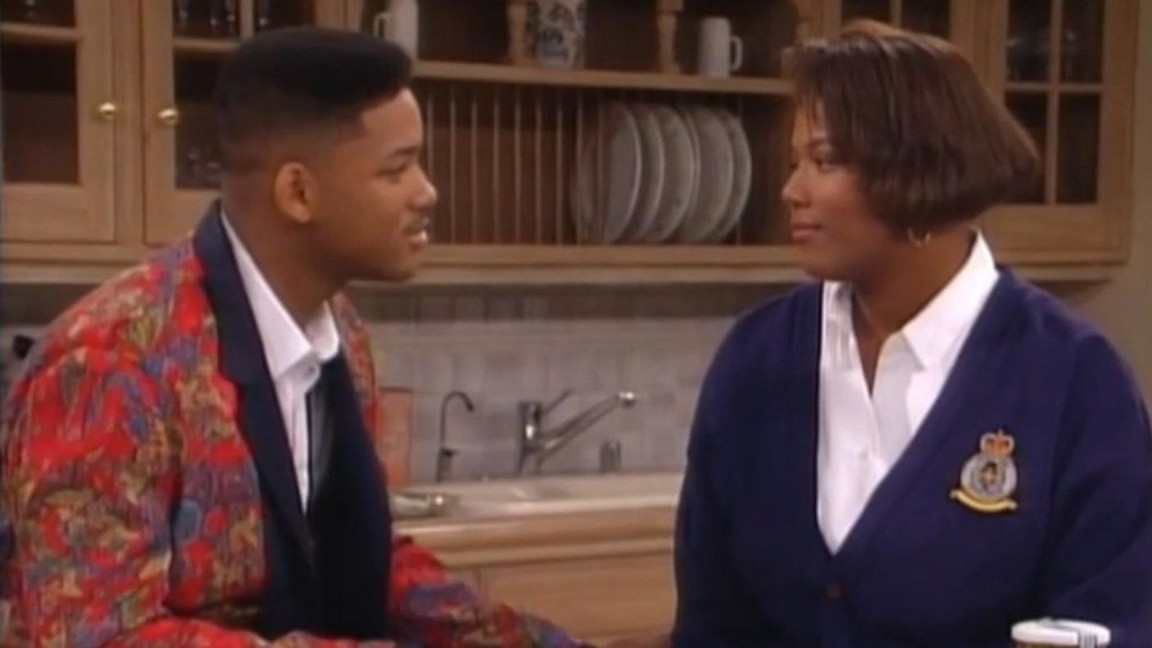
Scenes from Fresh Prince of Bel Air Season 2, Episode 8: She Ain’t Heavy
The hit sitcom The Fresh Prince of Bel-Air has been a blessing to our eyes as we watch Will Smith work his magic, entertaining the audience with his wittiness and colorful nature, as well as addressing some important issues that Black people in America face such as racial profiling, gun violence, and the struggles of growing up in rough neighborhoods. Season 2 looks to continue to this trend with new episodes tackling other issues of our society. In Season 2, Episode 3, the Fresh Prince is forced to address his own flaw of body shaming, an ideology that many men (including myself) struggle with resisting.
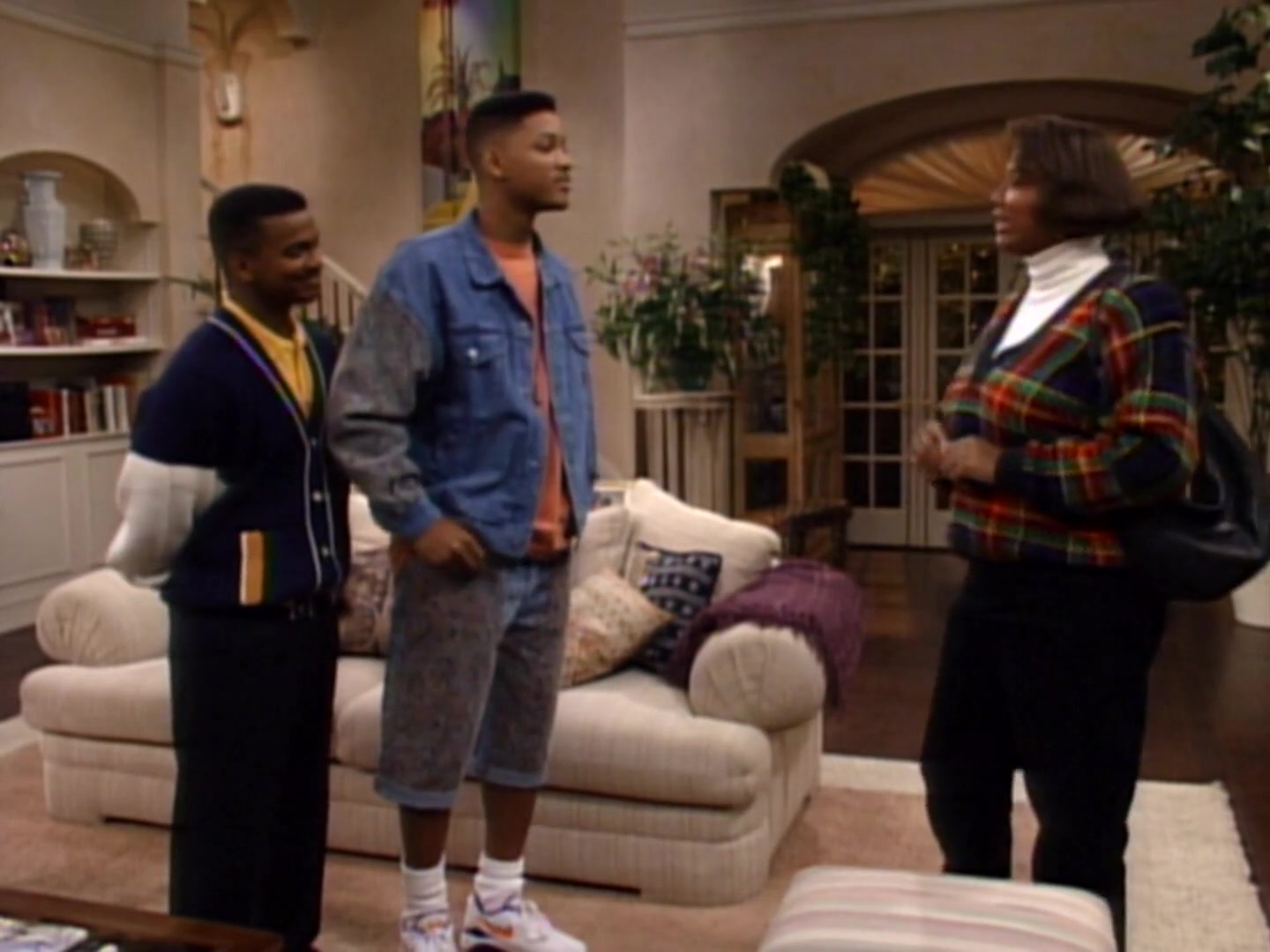
Throughout Season 1, the sitcom makes it clear that Will’s character is undoubtfully a ladies’ man. The “She Ain’t Heavy” episode even includes a flashback of all the fine honeys that Will has gone on blind-dates with—black, beautiful, elegant, but most noticeably, skinny. As Will gets excited to see who his potential blind date will be to the Lakers basketball game, his expectations are far from met when hip-hop artist and actress Queen Latifah walks through the door of the Banks residence. Latifah, who plays the role of “DeeDee” in this episode, is noticeably plus-sized compare to Will’s previous female acquaintances. The cameras cut to Will standing in shock and disbelief (in the comedic way only he knows how), serving as an slight at her body. The insults get worse when Will comes up with the excuse not to go to the game with her, stating that she wouldn’t fit in his packed car. He immediately realizes the fault in his words and recovers with “Not just you, anybody.” The scene ends with DeeDee walking out after telling Will and Carlton that she planned to be screaming her number at NBA superstar Magic Johnson, which Will replies behind her back: “I hope Magic ate his Wheaties.”
As the episode progresses, Will and DeeDee bond over their shared sense of humor and common interests, but Will is too afraid to ask her to the dance knowing that his friends make fun of him for hanging out with her. As they are seen in a restaurant together, Will’s classmates suggest she is “tons of fun” and even claims “the babe got more buns than a day-old bakery”. Will then asks his friend the question: “Now how you trying to play me? Now you’ve seen the honeys that I had up in here”. DeeDee, eavesdropping, hears this and storms out. The two end up going to the dance with separate dates, have a horrible time, and eventually make up. The crowd got one last laugh, however, when the king bed collapses in the final scene as every character sits on it watching a home cooking show. As funny as it was watching it the first time through, I’ve realized that the episode portrayed many important issues regarding society’s assumptions about weight and our social interactions with people we define as “fat”.
Scenes from Fresh Prince of Bel Air Season 2, Episode 8: She Ain’t Heavy
To start, the jargon and jabs used in the episode are very relatable to the reality to our assumptions about fat people. Euphemisms like “heavy”, “big”, and “husky” are substituted for fat in conversations, giving a “false positive spin on a negative view of fatness”. For those who use such words, they try to convince themselves by placing positive connotations on the idea, but the truth is they do not find it as acceptable. The fat synonyms also change the focus of the word, ultimately changing the relationship to one’s body. “Obese” and “overweight” –what Marilyn Wann would call the O-words—puts a medical gaze on the body, convincing people that being fat is something that is medically fixable (assuming that it’s a problem in the first place, rather than just being a bodily difference and variation).
The reason fat jokes and slander is so popular today is because of the power structure that we are subconsciously participating in through societal norms and expectations. In Wann’s foreword to “Fat Studies: An Innovation to Revolution” she claims, “Every person who lives in a fat-hating culture inevitably absorbs anti-fat beliefs… also inevitably comes to occupy a position in relation to power arrangements that are based on weight”. Weights and body shapes, effortlessly, assign women rank in the social hierarchy as the standards of “body goals” continues to become skinnier waist and wider hips. When people don’t live to such expectations, we ignore, shame, bully, and ostracize them for not conforming to the standards that we force ourselves to do. The power we exercise to separate ourselves from those below us in the hierarchy is what Michel Foucault calls “productive power”—shaming others in attempt to encourage them to change their ways of living to improve their social status. In this perspective, corporations practice productive power by encouraging weight loss programs, expensive dieting, and weight loss medication.
What makes this episode of The Fresh Prince of Bel Air so unique is how ahead of its time it is. Body positivity is relatively a new concept that gets confused with fat activism, which is barely even an ideology at this point. While body positivity encourages us to accept who we are and “love ourselves”, fat activism will force the public to stop discriminating against bigger bodies and to accept them for who they are. The episode effectively shows how we shouldn’t focus on the body or size of people we get into relation with, but more so emphasize compatibility and personality that we desire. Will Smith and the rest of the writers of the show reveal their agenda of promoting change and education to an audience swarmed by the anti-fat beliefs of society. I hope to see more episodes like this that continue to challenge my own understanding of the world and how it affects the relationships around me.