Written by Trey Messer with Autostraddle, 1991
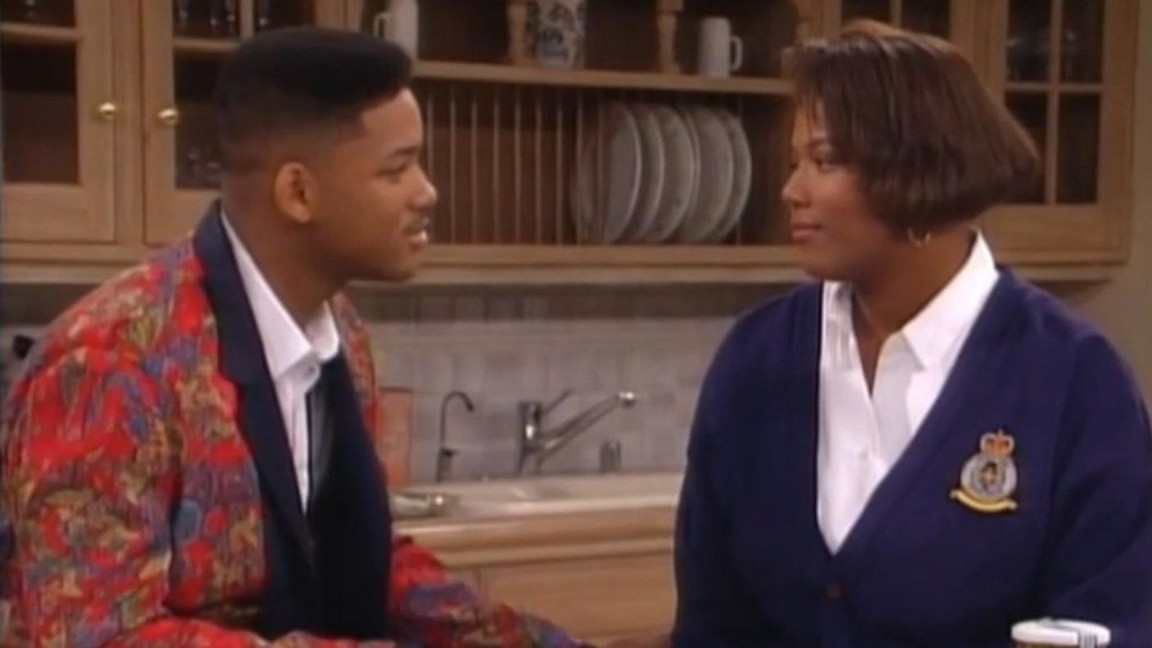
The hit sitcom The Fresh Prince of Bel-Air has been a blessing to our eyes as we watch Will Smith work his magic, entertaining the audience with his wittiness and colorful nature, as well as addressing some important issues that Black people in America face such as racial profiling, gun violence, and the struggles of growing up in rough neighborhoods. Season 2 looks to continue to this trend with new episodes tackling other issues of our society. In Season 2, Episode 3, the Fresh Prince is forced to address his own flaw of body shaming, an ideology that many men (including myself) struggle with resisting.
Throughout Season 1, the sitcom makes it clear that Will’s character is undoubtfully a ladies’ man. The “She Ain’t Heavy” episode even includes a flashback of all the fine honeys that Will has gone on blind-dates with—black, beautiful, elegant, but most noticeably, skinny. As Will gets excited to see who his potential blind date will be to the Lakers basketball game, his expectations are far from met when hip-hop artist and actress Queen Latifah walks through the door of the Banks residence. Latifah, who plays the role of “DeeDee” in this episode, is noticeably plus-sized compare to Will’s previous female acquaintances. The cameras cut to Will standing in shock and disbelief (in the comedic way only he knows how), serving as an slight at her body. The insults get worse when Will comes up with the excuse not to go to the game with her, stating that she wouldn’t fit in his packed car. He immediately realizes the fault in his words and recovers with “Not just you, anybody.” The scene ends with DeeDee walking out after telling Will and Carlton that she planned to be screaming her number at NBA superstar Magic Johnson, which Will replies behind her back: “I hope Magic ate his Wheaties.”
As the episode progresses, Will and DeeDee bond over their shared sense of humor and common interests, but Will is too afraid to ask her to the dance knowing that his friends make fun of him for hanging out with her. As they are seen in a restaurant together, Will’s classmates suggest she is “tons of fun” and even claims “the babe got more buns than a day-old bakery”. Will then asks his friend the question: “Now how you trying to play me? Now you’ve seen the honeys that I had up in here”. DeeDee, eavesdropping, hears this and storms out. The two end up going to the dance with separate dates, have a horrible time, and eventually make up. The crowd got one last laugh, however, when the king bed collapses in the final scene as every character sits on it watching a home cooking show. As funny as it was watching it the first time through, I’ve realized that the episode portrayed many important issues regarding society’s assumptions about weight and our social interactions with people we define as “fat”.
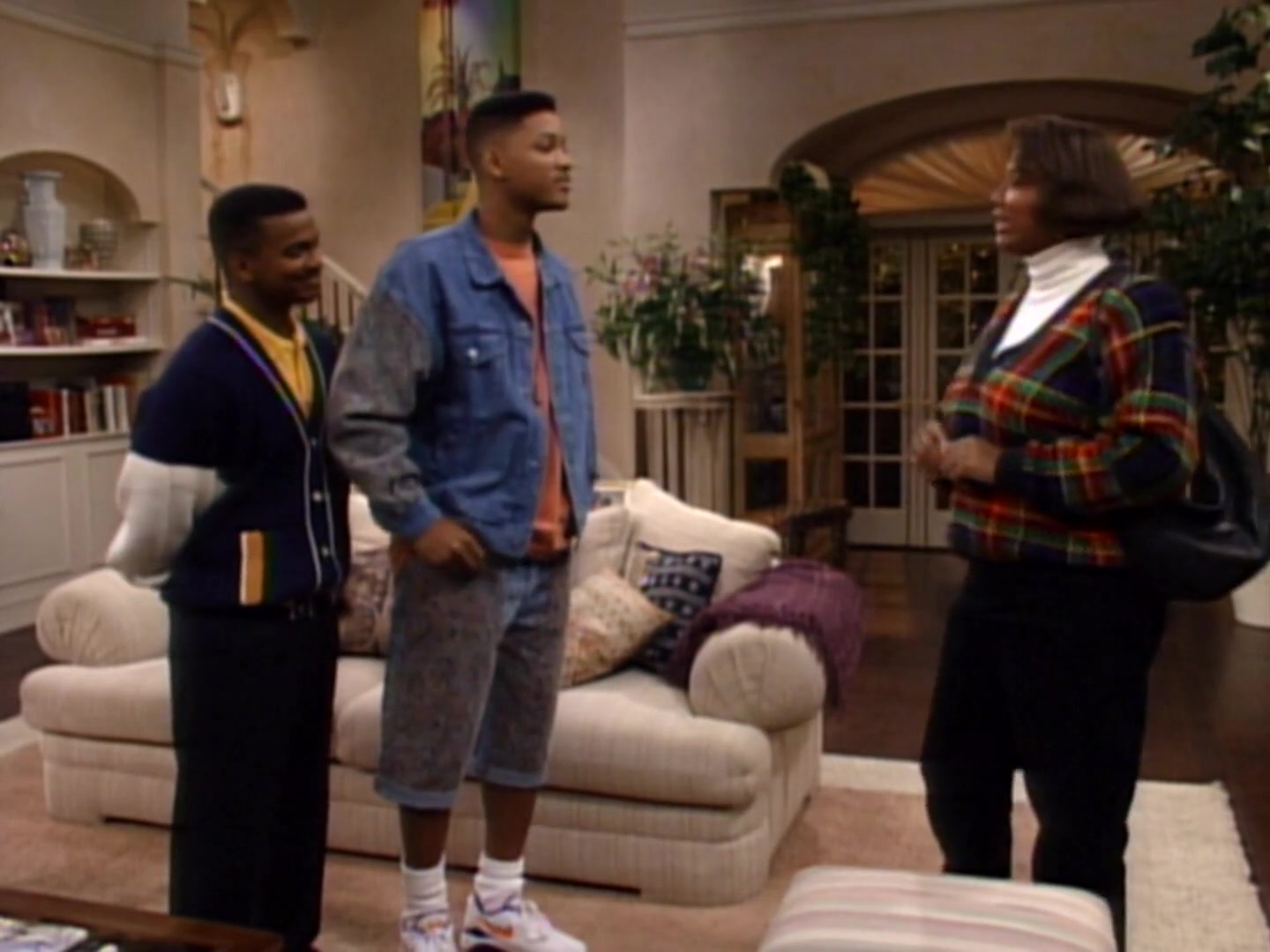
To start, the jargon and jabs used in the episode are very relatable to the reality to our assumptions about fat people. Euphemisms like “heavy”, “big”, and “husky” are substituted for fat in conversations, giving a “false positive spin on a negative view of fatness”. For those who use such words, they try to convince themselves by placing positive connotations on the idea, but the truth is they do not find it as acceptable. The fat synonyms also change the focus of the word, ultimately changing the relationship to one’s body. “Obese” and “overweight” –what Marilyn Wann would call the O-words—puts a medical gaze on the body, convincing people that being fat is something that is medically fixable (assuming that it’s a problem in the first place, rather than just being a bodily difference and variation).
The reason fat jokes and slander is so popular today is because of the power structure that we are subconsciously participating in through societal norms and expectations. In Wann’s foreword to “Fat Studies: An Innovation to Revolution” she claims, “Every person who lives in a fat-hating culture inevitably absorbs anti-fat beliefs… also inevitably comes to occupy a position in relation to power arrangements that are based on weight”. Weights and body shapes, effortlessly, assign women rank in the social hierarchy as the standards of “body goals” continues to become skinnier waist and wider hips. When people don’t live to such expectations, we ignore, shame, bully, and ostracize them for not conforming to the standards that we force ourselves to do. The power we exercise to separate ourselves from those below us in the hierarchy is what Michel Foucault calls “productive power”—shaming others in attempt to encourage them to change their ways of living to improve their social status. In this perspective, corporations practice productive power by encouraging weight loss programs, expensive dieting, and weight loss medication.
What makes this episode of The Fresh Prince of Bel Air so unique is how ahead of its time it is. Body positivity is relatively a new concept that gets confused with fat activism, which is barely even an ideology at this point. While body positivity encourages us to accept who we are and “love ourselves”, fat activism will force the public to stop discriminating against bigger bodies and to accept them for who they are. The episode effectively shows how we shouldn’t focus on the body or size of people we get into relation with, but more so emphasize compatibility and personality that we desire. Will Smith and the rest of the writers of the show reveal their agenda of promoting change and education to an audience swarmed by the anti-fat beliefs of society. I hope to see more episodes like this that continue to challenge my own understanding of the world and how it affects the relationships around me.