Feminist Mixtape: “Just a Girl” by No Doubt

Most of us have probably heard the song “Just a Girl” before on a Best of the 90s playlist. The song became a hit when it was released in 1995 by Gwen Stefani’s band No Doubt. It was the first song Stefani had written by herself, capturing the attention of millions of young female fans. It became a feminist anthem in the 1990s though Stefani admits she didn’t intend it to be. She was just writing about her experience as a woman. In an ABC interview in 2019, Stefani remarked “And I just kind of wrote that song because I feel like I was getting in touch with that feeling of when you’re born, if you’re female, you don’t think about it — you’re just a human. And then through life you sort of start to realize you get this kind of power through your sexuality, but then you’re kind of vulnerable at the same time because all of a sudden you’re a victim. So you have all these awarenesses as you’re getting older, and I just wanted to write a song about that.” Thus, “Just a Girl” contains feminist undertones that relate to several of our readings including Betty Friedan’s The Feminist Mystique and the Stanford Encyclopedia of Philosophy’s Feminist Perspectives on Reproduction and the Family. 

The title of the song “Just a Girl” itself echoes a sarcastic jibe against the patriarchy. “Just a girl” is a phrase sometimes heard from men. They might use it to indicate a female’s inability to complete a masculine task. For example, “she’s just a girl, she can’t change the car tire.” “Girl” itself connotes an adolescent, incapable female, not a woman. In the Feminine Mystique, Frieden offers a similar feeling on the boundaries of a woman such as their confinement to the home (Friedan 276-277). Stefani further conveys her contempt at men for underestimating a woman’s abilities through feminine conventions. 

The lyrics “pink ribbon,” “little old me,” “typical prototype,” and “your rule of thumb” relate to the customs of women in the male gaze. Women are traditionally supposed to love pink. They are supposed to be petite. They are supposed to follow the “typical” norms of a woman, not express their individuality. They must adhere to the man’s “rule of thumb.” Stefani mocks these ridiculous patriarchal views of women by going so far as to call herself a “prototype” which conveys the idea of a mindless robot. Friedan writes about a feeling of emptiness among women perhaps because of the conventions about which Stefani sings (Friedan 274-275). 

 Stefani feels entrapped and angered by the traditions imposed by men and notes it in several instances such as “living in captivity,” “so don’t let me have any rights,” and “I’ve had it up to here.” These lyrics contain a very clear, frustrated tone. Most notably, she mentions “rights” which could relate to third wave feminist activism in the 90s that Stefani was experiencing when she wrote the song. Feminist Perspectives on Reproduction and the Family discusses the struggles for women’s rights in a similar period as it was initially published in 2004 (Satz). While Stefani does not directly address the specifics of women’s rights, she implies that she is thinking about them. 

While Stefani may have just been singing about her own feelings of being a woman, her words resonated with millions. Her message encourages me to reflect on my own experience as a woman in a similar, critical regard. The song is catchy with its mockery of the male patriarchy. However, the song can be exclusionary with its binary focus on cis-women and cis-men, forgetting the LGBTQ+ community. The song is clearly directed towards a female audience given the title “Just a Girl.” Furthermore, it may only be relatable for white females as the experiences of a white woman like Stefani and a woman of color can differ as a result of the privileges of whiteness. However, Stefani made this song with her own experience in mind so it is unlikely that it was intended to feel exclusionary. I would definitely recommend listening to “Just a Girl” if you haven’t before.

References

https://abcnews.go.com/Entertainment/gwen-stefani-feminist-anthem-girl-power-sexuality-vulnerability/story?id=65822695

https://genius.com/No-doubt-just-a-girl-lyrics

Friedan, Betty. The Feminine Mystique. Norton, 1963. 

Satz, Debra. “Feminist Perspectives on Reproduction and the Family.” Stanford Encyclopedia of Philosophy, Stanford University, 21 Oct. 2013, https://plato.stanford.edu/entries/feminism-family/.
Troubles with the Growing Confidence Cult

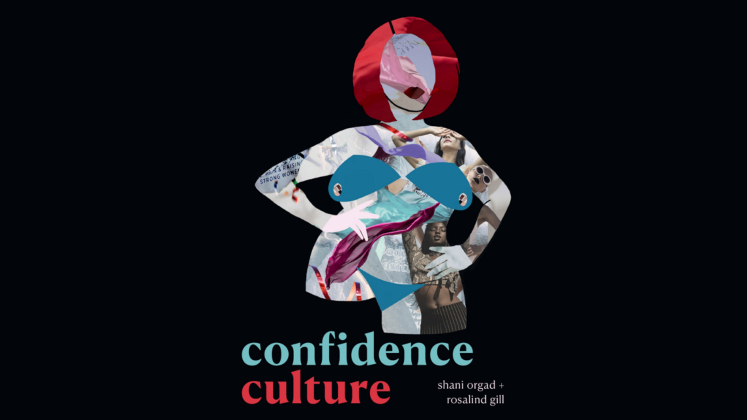
Hit songs like “Truth Hurts” by Lizzo or “Sorry Not Sorry” by Demi Lovato, hashtags like #realmemonday or #wellnesswednesday, and advertisements like Dove’s self-esteem project represent the influx of self-confidence messaging in today’s mainstream media. Women, in particular, are targeted by these messages. They are told to embrace their fears and insecurities by self-help books, celebrities, and television shows. Subsequently, there is a growing “confidence cult” as the authors of Confidence Culture, Shani Orgad and Rosalind Gill, suggest. 

Confidence Culture

Read more

Is Vogue Still Setting Unrealistic Body Standards or Breaking Them Down?

Vogue’s “What’s Changing About Fashion’s Relationship to the Body?” featuring Kim Kardashian who talks about the negative comments she has heard about her body both in person and on social media.

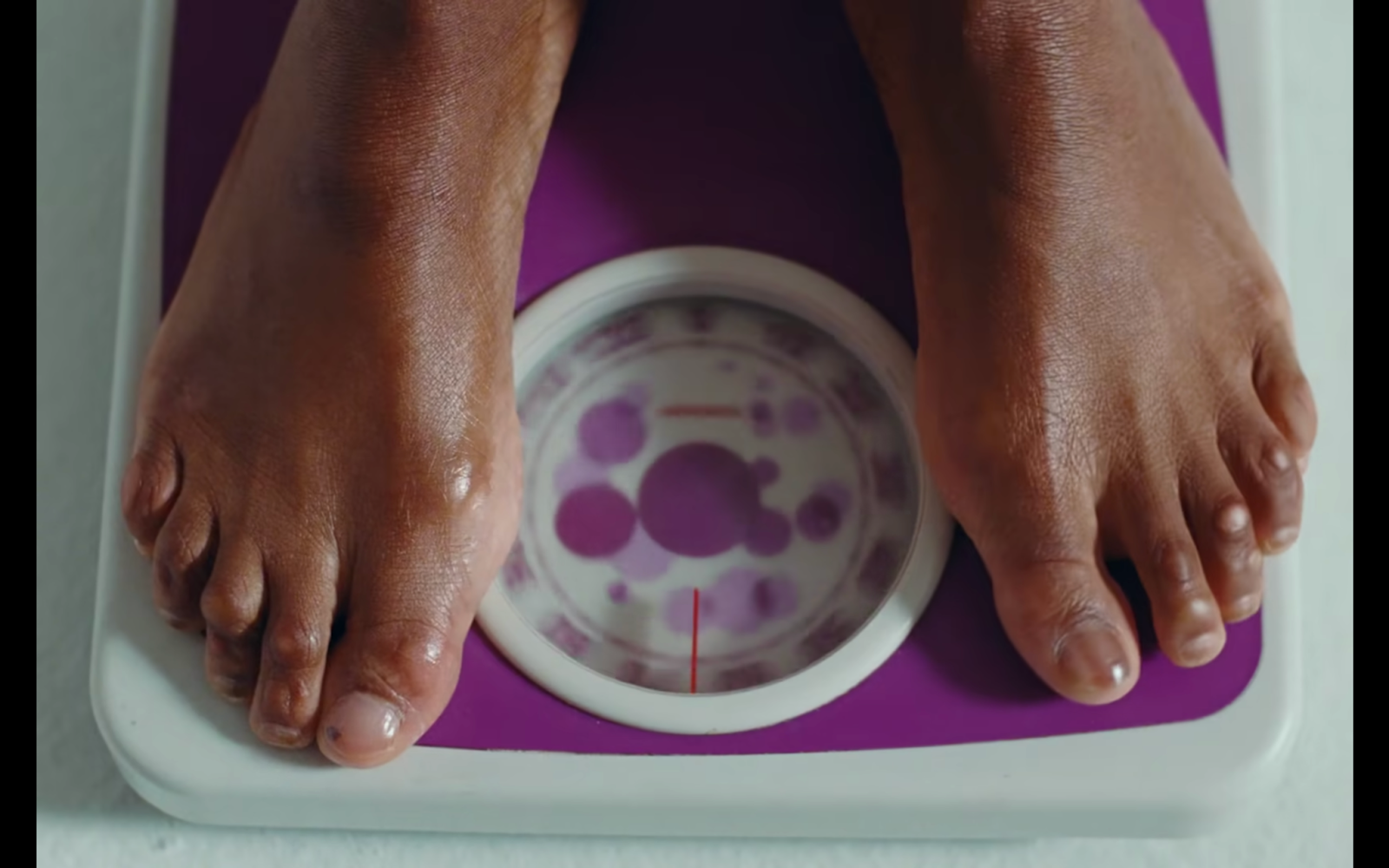
One of the most prevalent issues within the fashion industry is its lack of diversity. Lately, I have been seeing more and more online content discussing this topic. Among this content is a Vogue video I found on Youtube titled “What’s Changing About Fashion’s Relationship to the Body?” The three minute video stars pop culture phenomenon Kim Kardashian alongside other successful female-identifying models of various races, nationalities, sizes, and ages. There are various shots of the models throughout the video as they offer overlapping commentary on their personal experiences loving and owning their bodies. Of course, the video is well-directed and entertaining through its editing and background music. It captures the challenges of finding self worth and confidence in an industry that has set impossible beauty standards not only through discussion but through visual cues. We see scenes of women exercising and weighing themselves whilst hearing the models talk about the negative body shaming they have faced. Historical female sculptures are shown in a probable effort to depict the everlasting beauty standards for women. Vogue clearly wanted to promote body acceptance through this video though there are several ironies that belittle its goal which commenters are not afraid to share. 

Screenshot of a woman weighing herself on a scale while models talk about the body shame they have received.

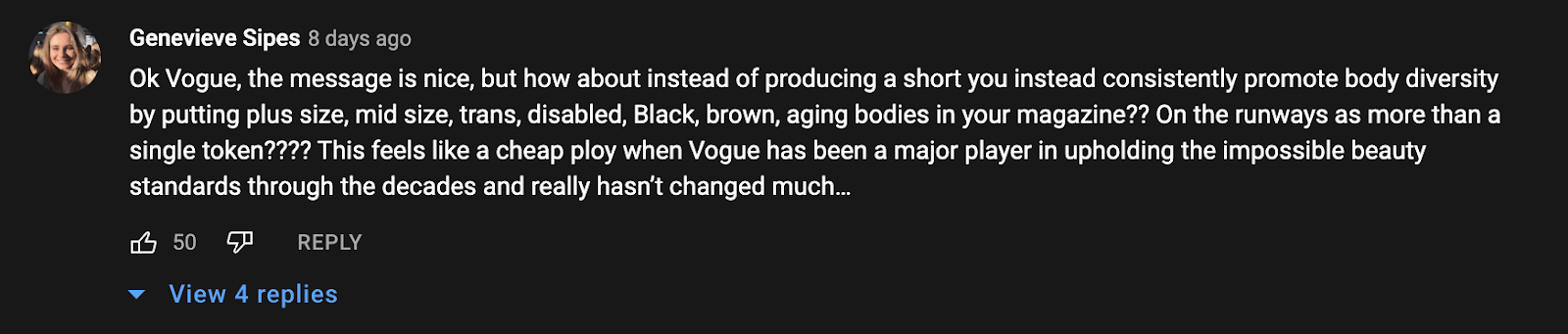
First of all, Vogue is a major contributor to the beauty standards set by the fashion industry. They have taught women that in order to be pretty and fashionable, they must be unattainably skinny and have flawless skin. Many commenters on the video echo this feeling as they reveal Vogue is in fact partially responsible for making them feel uncomfortable with their own bodies. One commenter points out that while the magazine is trying to reverse some of its past mistakes by capturing different bodies, it is not enough. If they want to change the narrative, they have to do more. The company definitely has the power to do so as Vogue is the epitome of fashion for many people. Vogue thinks so too as the “About Vogue” reads “Vogue is the authority on fashion news, culture trends, beauty coverage, videos, celebrity style, and fashion week updates.” They could use their power for good and create a new standard that every body is beautiful. 

The video was not received well not only because it was created by Vogue but because it featured Kim Kardashian. Like Vogue, Kardashian herself has set unrealistic body standards. While Kardashian just as rightly deserves to own her body like anyone else, commenters take issue with her being in a video alongside other women who have battled the beauty standards, not created them. Kardashian readjusts her pose in a short clip and asks if  “this looks good.” Kim Kardashian trying to look her best in a video promoting body authenticity and acceptance makes Vogue’s intentions seem fake. They could have easily made this video without Kardashian, which would have generated more positive reception. Instead, they likely added her to reach a larger audience and generate more profit. It seems like Vogue’s real goal was to appear politically correct whilst making money. Yet, they do capture many other models besides Kardashian who have faced struggles loving their bodies. But does this diverse cast of models appear on the runways too?

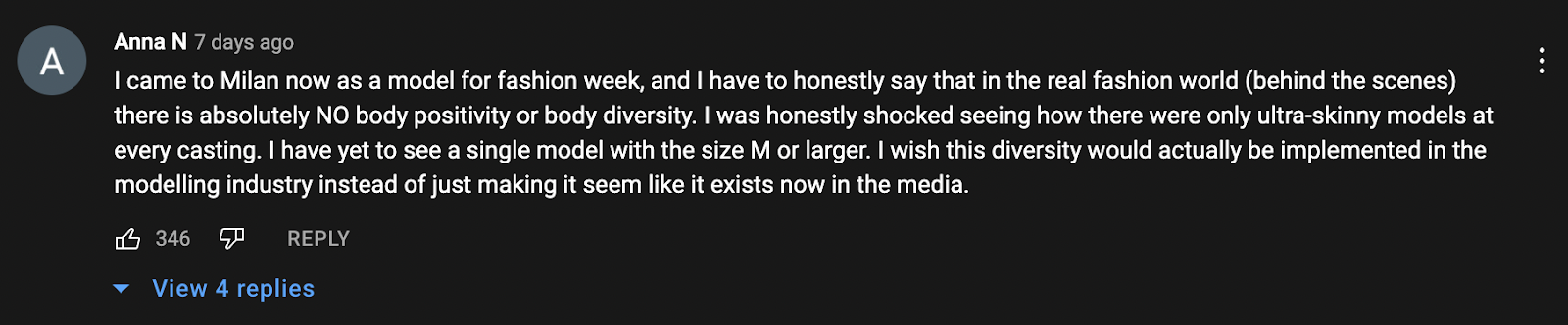
Another commenter who claims to work in the modeling industry argues that this diversity in the video is nonexistent in the actual industry and only appears in the media. I find this fact unsurprising as it’s easy to create the false appearance of something. Despite all the pushes towards diversity, the fashion industry is changing at a slow rate. Vogue doesn’t completely overlook this notion, writing that “body acceptance is a long and winding road” in the description box. They may be trying to suggest that the industry has a long way to go before it is inclusive. Nevertheless, it’s probable that the diversity on screen is mostly absent in real life. 

The video sparked major debate among viewers for good reasons. Others interested in social justice would likely agree with me and the other commenters. It is hard for an audience to watch a video produced by a company that lowered their self-esteem in the first place and celebrate them. Although, I believe Vogue had good intentions. They are making an effort to rebrand themselves and pave the way for increased body diversity in fashion. Obviously, it will take more than a three minute video to achieve this goal and after a bit more research, I found other online content that Vogue has published surrounding body inclusivity. However, none of it avoided criticism including their March 2017 cover on Modern American Women that was criticized for not being diverse enough. It featured seven light skinned models including one plus size model. If they have faced this kind of scrutiny before, I have to wonder whether they expected the same comments or praise for their efforts to celebrate body diversity. Did they want to be celebrated for including models of all backgrounds instead of the usual suspects like Kendall Jenner or Gigi Hadid? Are they trying to forget their damaging past? Perhaps, by continuing to produce more inclusive content, they hoped to show their commitment to body diversity. Nonetheless, this video, various articles, and magazine covers act as baby steps towards a future with representation for all shapes and sizes. Just like many other companies in the fashion industry, Vogue has a long way to go with much more to learn. 

References

Torgerson, Rachel. “Vogue’s ‘Diverse’ Cover Slammed for Not Being Diverse Enough.” Cosmopolitan, 9 February 2017, https://www.cosmopolitan.com/style-beauty/fashion/a8696839/vogue-march-2017-cover-controversy/.