Taylor Swift’s “You Need to Calm Down” is a blatant callout of the patriarchal institutions that have been implemented in society for centuries. First of all, the title alone reclaims the phrase so many women and gender minorities hear any time they advocate for themselves and their communities in terms of gender equality. The irony of it is that oftentimes when a man tells a woman or other gender minority group to “calm down,” he is really just communicating discomfort with their usually more progressive views. He is seeing the institution of patriarchy that inherently allows him to hold power as being threatened.
Swift also directly calls out men that have attempted to tear her down, with Donald Trump being the most notable. She sings “You say it in the street, that’s a knock-out / But you say it in a Tweet, that’s a cop-out,” which is obviously directed at Trump’s bullying messages on Twitter (before he was banned). Next, Swift asks a general question to these oppressive male listeners in the form of “Why you mad? / When you could be GLAAD?” Until reading these lyrics, I had not realized that what sounds like “glad” was actually “GLAAD,” an acronym for “Gay & Lesbian Alliance Against Defamation,” an organization founded in protest against defamatory coverage of members of the LGBTQ+ community. This lyric communicates Swift’s advocacy for the LGBTQ+ community, something that she is openly passionate about.
Furthermore, she asks her listeners to “not step on our gowns,” urging people to allow others to do as they please without unsolicited feedback or criticism. Swift even declares that some people need to “control [their] urges to scream about the people [they hate] / ‘Cause shade never made anybody less gay.” This communicates the same message of sexuality not being a choice as Lady Gaga’s “Born This Way, another LGBTQ+ anthem.
To continue, Swift also reverses the phrase “you’re being too loud” to reflect against those who tolerate members of the LBGTQ+ community but wish they weren’t so “loud.” This relates directly to Pat Parker’s “For Straight Folks Who Don’t Mind Gays But Wish They Weren’t So Blatant,” in which Parker acknowledges the hypocritical manner in which straight people speak openly about their own heterosexual relationships in detail but express discomfort when gay and lesbian folks do the same.
While “You Need to Calm Down” is a clear dig at the patriarchy and an anthem in support of oppressed communities, the singer/songwriter is a straight, white, cisgender woman. Her allyship is valuable, and she can relate first-hand to the struggles of women, but she cannot personally relate to those of the LGBTQ+ community. She features the cast of Queer Eye in the music video, putting a spotlight on LGBTQ+ popular culture icons, but Swift herself is not a member of the community.
Around the world, as many as 1 in 3 women face marital violence (National Coalition Against Domestic Violence). In India, this statistic climbs to approximately 3 out of 4. 77.4%, to be precise (Ram, Anath, et. al 362). This violence encompasses physical, sexual, and emotional abuse, and many institutions contribute to it. In The Trouble with Marriage: Feminists Confront Law and Violence in India, Srimati Basu explores the ways in which feminist law in India can be used and reformed to combat these marital issues. She does, however, also make note of the complications of settling a marital dispute. From colonialism to the division of inheritance to maintenance payments, Basu comments on the repercussions of divorce and the origins of the struggles women in India often experience when involved in unhealthy relationships.
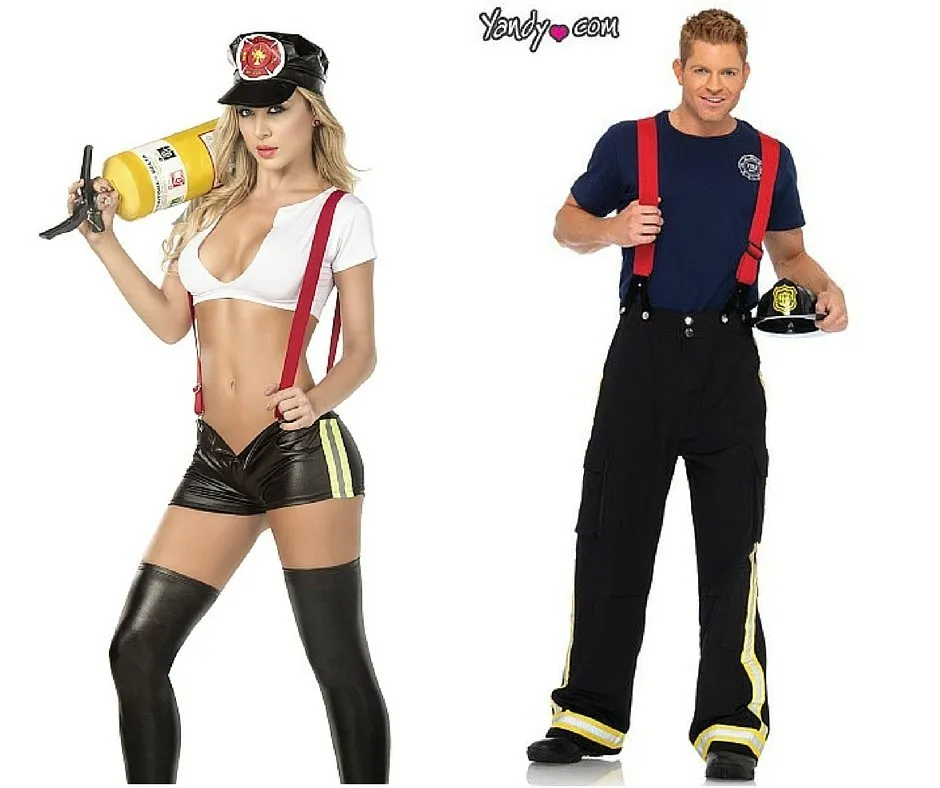
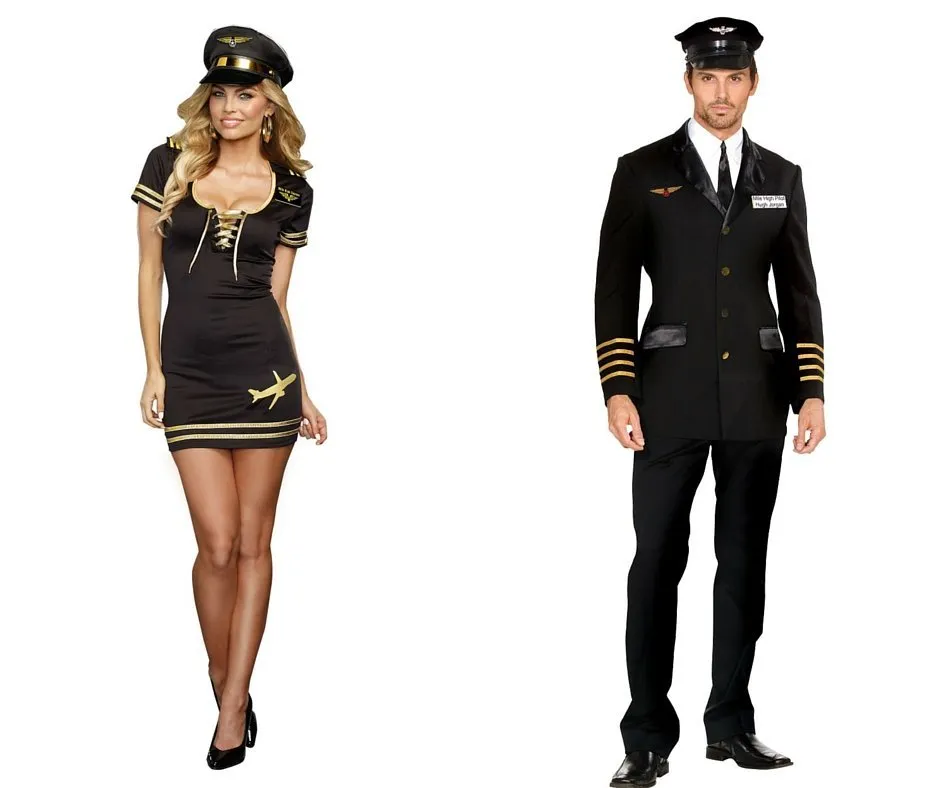
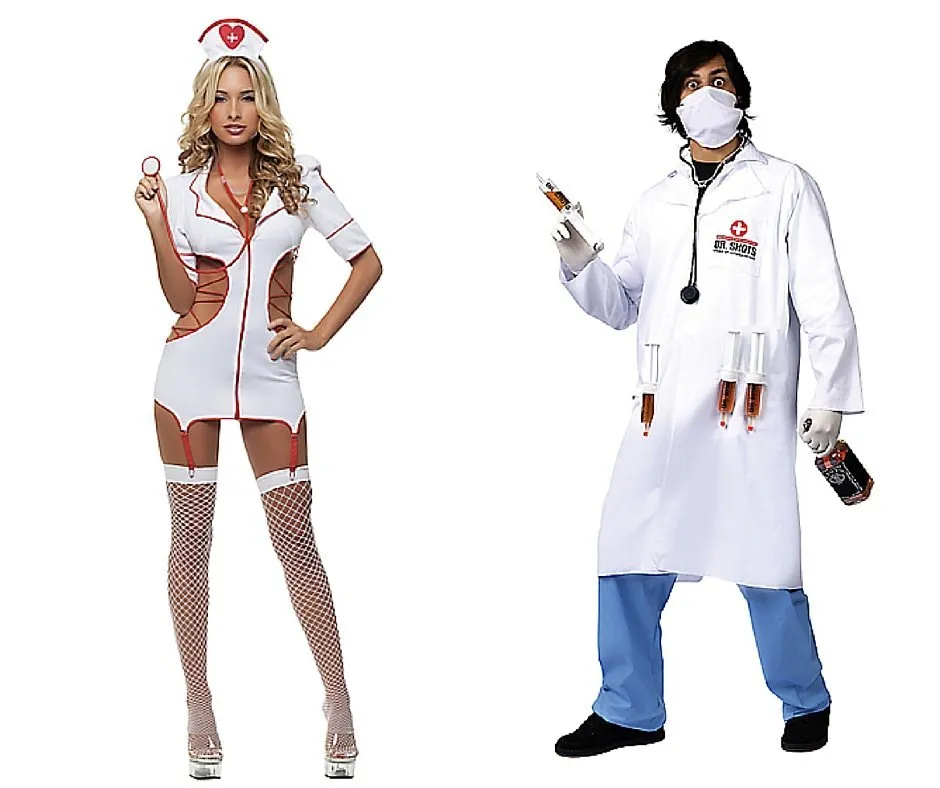
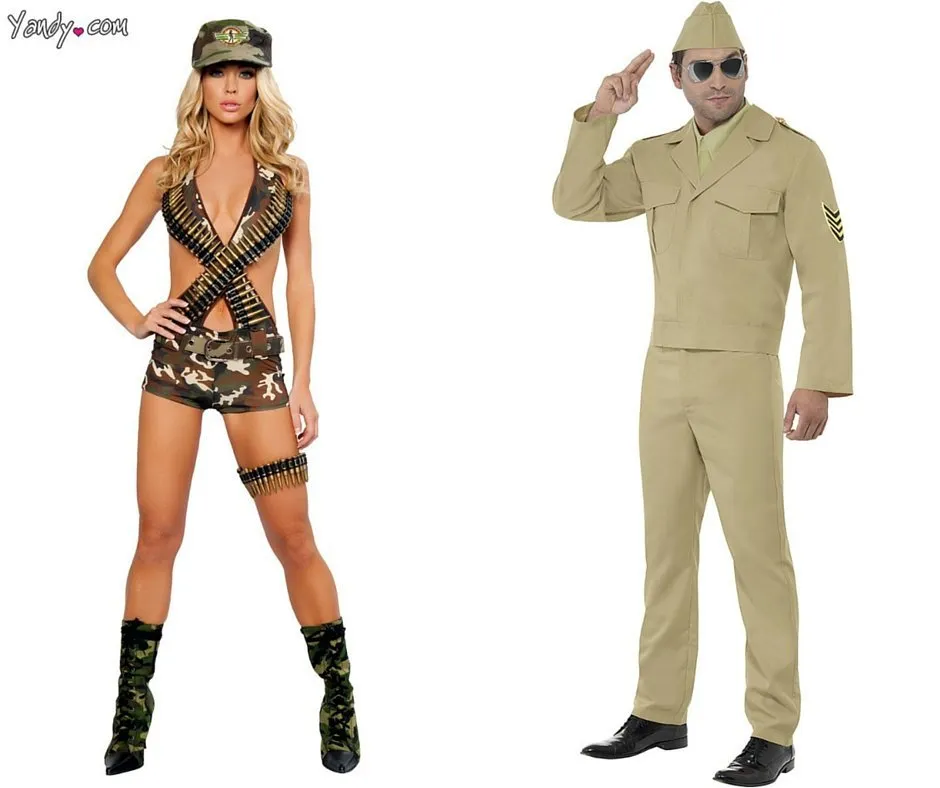
October after October, year after year, Americans across the country don costumes and temporarily adopt a new identity for the sake of one night: Halloween. Another thing to be counted on consistently? The over-sexualization of women through costume. While men often are allotted a full set of clothes, whether that be to look like a pilot, a firefighter, a doctor, or even military personnel, women are handed a tiny skirt, skimpy shirt, and expected to embrace the “sexiness” of it all. This disparity perpetuates existing sexism in the United States and objectifies women everywhere, creating a host of issues across the board.
These costumes (and others of the same nature) create an impossible standard for women, setting the expectation that they only exist to satisfy the male gaze. Working women have been sexualized merely to fit the narrative of phallocentric sexual fantasies for decades, as the patriarchy works to assign a woman’s worth based on her sex appeal. The paradox created by this situation is that if a woman is not considered traditionally attractive, she will likely face more trouble with establishing credibility in a male-dominated field, but if she is seen as too attractive, that credibility is lost as she begins to be viewed as only a sexual object. Women in the workforce are doing the same jobs as their male counterparts, meaning that their work is typically not inherently sexual, yet men in the professional world do not face nearly as much sexualization. These women are not asking to be sexualized purely for working, and many hold down jobs to maintain their livelihood.
Aside from promoting blatant misogyny, these costumes reinforce the gender binary. Halloween costumes are heavily gendered and therefore rely on intense stereotypes for advertising. With the nature of female-branded costumes being small and revealing and the male-branded costumes being full sets of clothing, the costume industry is assuming that everyone who identifies as a woman wants to dress femininely and adhere to these stereotypes and vice-versa for those who identify as men. Further, these assumptions overlook those who identify as non-binary or gender non-conforming, as it is incredibly rare to find a factory-made Halloween costume that does not promote sexiness as being connected to women and authority as being connected to men.
To expand, the costumes for men are often made to allow them to embody someone of authoritative, powerful status, such as a soldier or police officer. This feeds directly into the patriarchal view that men should be the people in power and women should exist to assist those men. In these gendered costumes, the masculine costume is often the figure of power, an example being how the masculine healthcare costume is a doctor with a surgical mask while the feminine costume is a “sexy nurse” in a small dress with cutouts and fishnet tights. The women in these advertisements are marketed as attractive, submissive sidekicks to the dominating male figures. This causes even more offense when it’s noted that in these real-life professions, there are few differences between uniforms for men and women. The point of a uniform is to have coherence among staff, and these costumes completely ignore the way that women actually exist in the workplace, which is in nearly the exact same uniforms as their male counterparts, especially in the professions represented in these advertisements.
These costumes also reinforce the idea that there is a “correct” body type, as the “sexy” women in the costume ads all have the same tiny waist and hourglass figure. Many women actually want to retaliate against societal expectations and reclaim their sexuality through costumes, and if these costumes are being marketed to a very slim demographic, literally and figuratively, the already small space for fat women to feel sexy is narrowed further. This issue of representation furthers the fatphobic societal view that fatness is “bad” or “gross,” and although unwanted hypersexualization of women is not something that should be condoned, it is not uncommon to find women to do want to embrace their sense of sexuality for one night when it’s “allowed.” These women should be able to explore their “sexy” side without worrying about constraints surrounding their size or opinions on their body from outsiders who expect all women to fit inside the same box when it comes to body type.
Within the Halloween costume industry, the sexualization of women through costumes has contributed to cultures of sexism and fatphobia. The industry designs with little regard to body type and plays into long-standing stereotypes of and expectations surrounding women, while also erasing non-binary people from the advertisements completely. While there are women who may have the desire to reclaim their sense of sexuality through these costumes, many view these costumes as objectifying and offensive. The costume industry should provide variety for women in terms of costume, with options that suit both the sexy side and that that is more true to the reality of what women wear in the professional world. Without options like these being widely advertised, women will continue to be sexualized and objectified by the producers, consumers, and advertisers of Halloween costumes.
References:
Bahadur, N. (2015, September 29). The Difference Between Men’s and Women’s Halloween Costumes Is Very Scary. HuffPost. https://www.huffpost.com/entry/the-difference-between-mens-and-womens-halloween-costumes-is-very-scary_n_560973ebe4b0dd8503086437