03/04/2022
Emma Anglin
October after October, year after year, Americans across the country don costumes and temporarily adopt a new identity for the sake of one night: Halloween. Another thing to be counted on consistently? The over-sexualization of women through costume. While men often are allotted a full set of clothes, whether that be to look like a pilot, a firefighter, a doctor, or even military personnel, women are handed a tiny skirt, skimpy shirt, and expected to embrace the “sexiness” of it all. This disparity perpetuates existing sexism in the United States and objectifies women everywhere, creating a host of issues across the board.
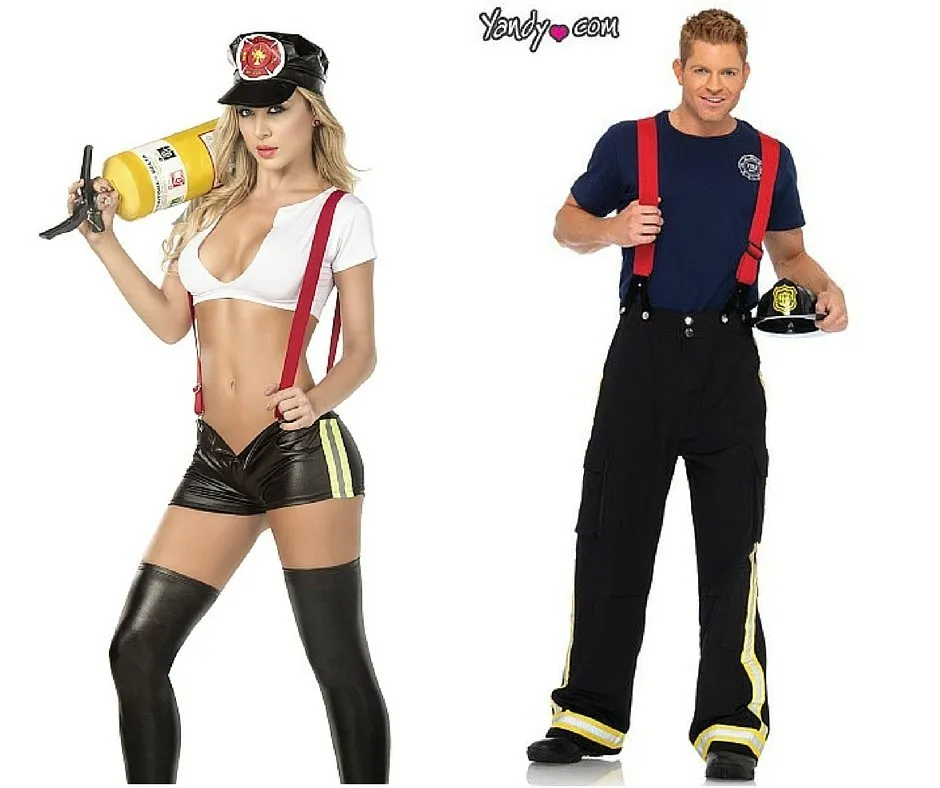
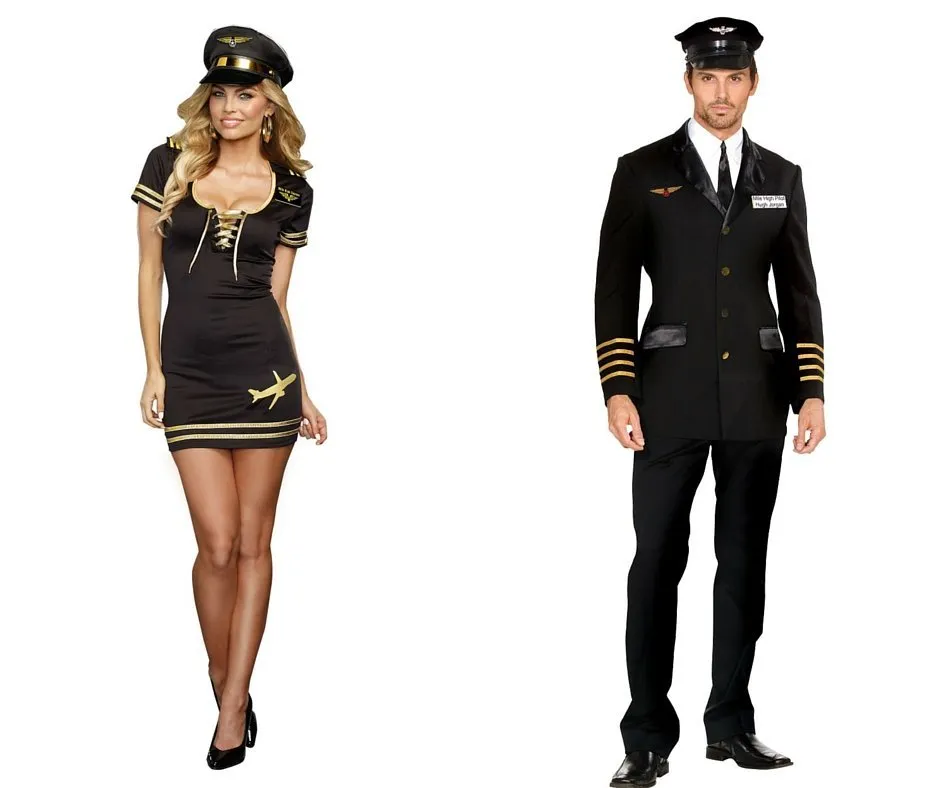
These costumes (and others of the same nature) create an impossible standard for women, setting the expectation that they only exist to satisfy the male gaze. Working women have been sexualized merely to fit the narrative of phallocentric sexual fantasies for decades, as the patriarchy works to assign a woman’s worth based on her sex appeal. The paradox created by this situation is that if a woman is not considered traditionally attractive, she will likely face more trouble with establishing credibility in a male-dominated field, but if she is seen as too attractive, that credibility is lost as she begins to be viewed as only a sexual object. Women in the workforce are doing the same jobs as their male counterparts, meaning that their work is typically not inherently sexual, yet men in the professional world do not face nearly as much sexualization. These women are not asking to be sexualized purely for working, and many hold down jobs to maintain their livelihood.
Aside from promoting blatant misogyny, these costumes reinforce the gender binary. Halloween costumes are heavily gendered and therefore rely on intense stereotypes for advertising. With the nature of female-branded costumes being small and revealing and the male-branded costumes being full sets of clothing, the costume industry is assuming that everyone who identifies as a woman wants to dress femininely and adhere to these stereotypes and vice-versa for those who identify as men. Further, these assumptions overlook those who identify as non-binary or gender non-conforming, as it is incredibly rare to find a factory-made Halloween costume that does not promote sexiness as being connected to women and authority as being connected to men.
To expand, the costumes for men are often made to allow them to embody someone of authoritative, powerful status, such as a soldier or police officer. This feeds directly into the patriarchal view that men should be the people in power and women should exist to assist those men. In these gendered costumes, the masculine costume is often the figure of power, an example being how the masculine healthcare costume is a doctor with a surgical mask while the feminine costume is a “sexy nurse” in a small dress with cutouts and fishnet tights. The women in these advertisements are marketed as attractive, submissive sidekicks to the dominating male figures. This causes even more offense when it’s noted that in these real-life professions, there are few differences between uniforms for men and women. The point of a uniform is to have coherence among staff, and these costumes completely ignore the way that women actually exist in the workplace, which is in nearly the exact same uniforms as their male counterparts, especially in the professions represented in these advertisements.
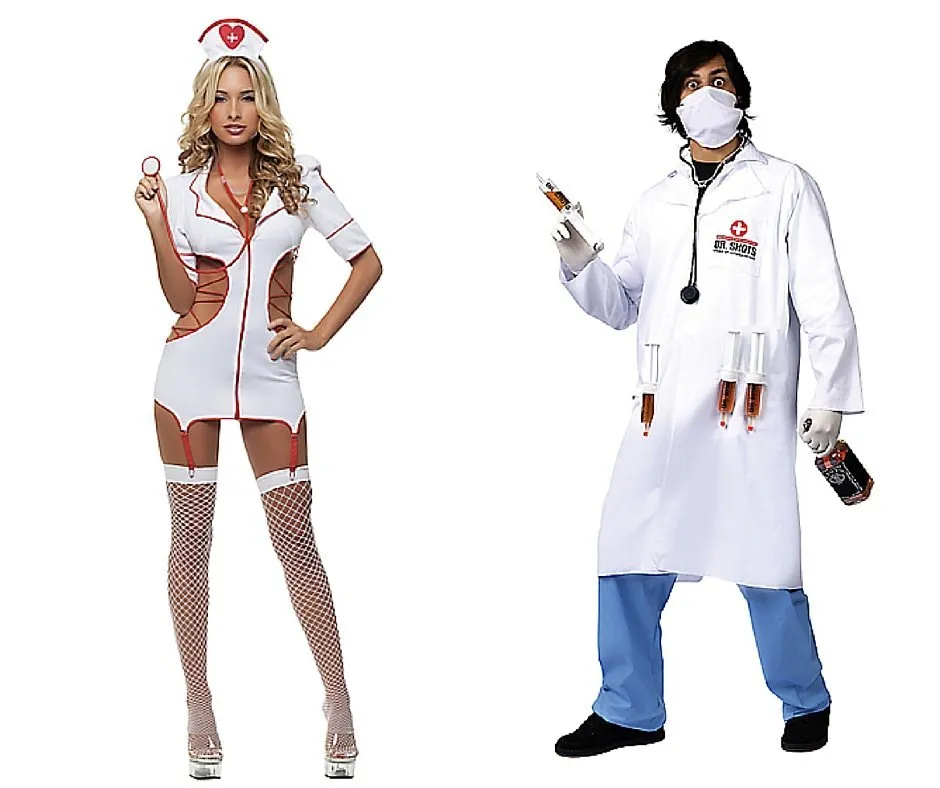
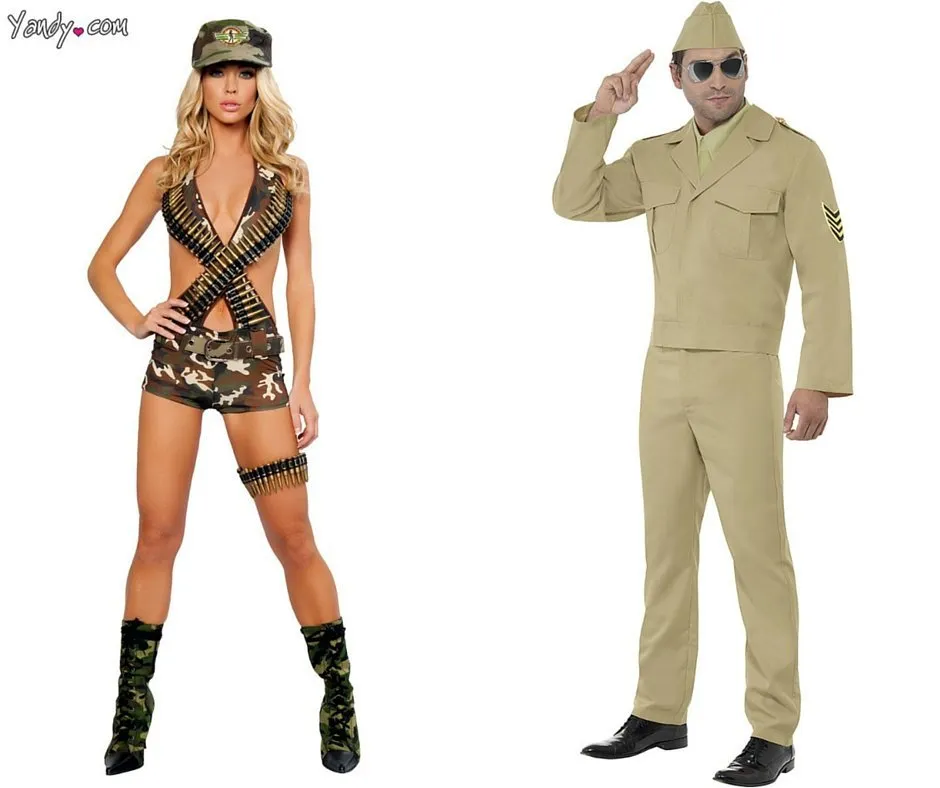
These costumes also reinforce the idea that there is a “correct” body type, as the “sexy” women in the costume ads all have the same tiny waist and hourglass figure. Many women actually want to retaliate against societal expectations and reclaim their sexuality through costumes, and if these costumes are being marketed to a very slim demographic, literally and figuratively, the already small space for fat women to feel sexy is narrowed further. This issue of representation furthers the fatphobic societal view that fatness is “bad” or “gross,” and although unwanted hypersexualization of women is not something that should be condoned, it is not uncommon to find women to do want to embrace their sense of sexuality for one night when it’s “allowed.” These women should be able to explore their “sexy” side without worrying about constraints surrounding their size or opinions on their body from outsiders who expect all women to fit inside the same box when it comes to body type.
Within the Halloween costume industry, the sexualization of women through costumes has contributed to cultures of sexism and fatphobia. The industry designs with little regard to body type and plays into long-standing stereotypes of and expectations surrounding women, while also erasing non-binary people from the advertisements completely. While there are women who may have the desire to reclaim their sense of sexuality through these costumes, many view these costumes as objectifying and offensive. The costume industry should provide variety for women in terms of costume, with options that suit both the sexy side and that that is more true to the reality of what women wear in the professional world. Without options like these being widely advertised, women will continue to be sexualized and objectified by the producers, consumers, and advertisers of Halloween costumes.
References:
Bahadur, N. (2015, September 29). The Difference Between Men’s and Women’s Halloween Costumes Is Very Scary. HuffPost. https://www.huffpost.com/entry/the-difference-between-mens-and-womens-halloween-costumes-is-very-scary_n_560973ebe4b0dd8503086437
Great post! I agree that the Halloween costume definitely reinforces sexism and body dysmorphia in advertisement and culture. “Sexy” halloween costumes are so popular, especially among young adults. I wonder if this is because it’s popular to go out on Halloween? And further, I wonder if Halloween parties are prone to creating particularly dangerous situations for women dressed in “sexy” costumes? I absolutely believe anyone can be empowered dressing in a sexy Halloween costume, but does the “sexy” costume trend and Halloween party culture conflate to create an especially risky situation?